
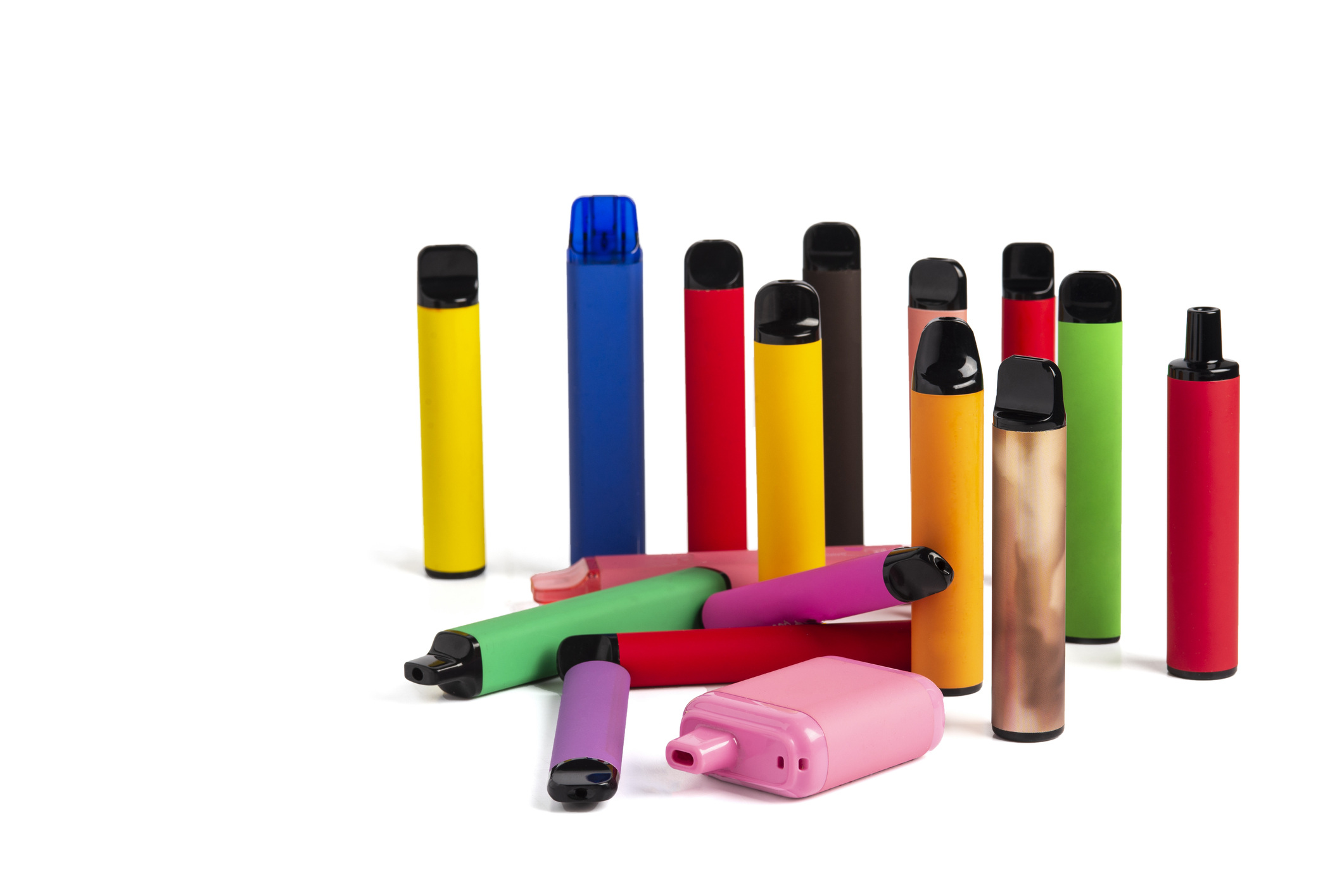
The Rising Popularity of Disposable Pods and Environmental Questions
Disposable pods have become a widely used alternative in the vaping world due to their convenience, portability, and ease of use. Unlike traditional reusable vape devices, disposable pods are designed for single use and are discarded once the e-liquid or battery runs out. This simplicity has driven massive global demand, especially among younger users and busy adults looking for quick nicotine solutions.
However, behind this convenience lies a growing environmental concern. Disposable pods contribute to electronic waste, plastic pollution, and battery disposal issues. As their popularity increases, so does the urgency to address their ecological footprint.
In many regions, discussions around products like บุหรี่ไฟฟ้า ส่งไลน์แมนใกล้ฉัน (a Thai phrase often associated with searching for fast local delivery of vaping products) reflect how easily accessible disposable vaping devices have become. This accessibility adds another layer to the environmental challenge, as higher consumption often leads to higher waste generation.
Environmental Impact of Disposable Pods
Electronic Waste and Battery Pollution
One of the biggest concerns surrounding disposable pods is the lithium battery embedded inside each device. These batteries are rarely recycled properly. When thrown into regular trash, they can leak toxic chemicals into soil and water systems or contribute to landfill fires.
Because each disposable pod contains a small but functional battery, millions of units discarded weekly translate into significant environmental damage. Unlike larger electronics, these small devices often slip through recycling systems unnoticed.
Plastic Waste and Non-Biodegradable Materials
Disposable pods are primarily made from plastic and metal components that do not decompose easily. Over time, these materials break down into microplastics, which can enter food chains and affect both wildlife and human health.
Even though each pod may seem insignificant, the cumulative effect of global consumption creates a major environmental burden. Coastal areas and urban landfills are increasingly reporting vape-related litter.
Chemical Residue Concerns
Another issue is the leftover nicotine and flavoring chemicals inside used pods. When improperly discarded, these substances can seep into the environment. Nicotine is toxic to aquatic life and can disrupt ecosystems when it enters waterways.
Why Disposable Pods Became So Popular Despite the Impact
Convenience and Accessibility
Disposable pods are designed for ease. There is no need to refill liquid, charge frequently, or replace coils. Users simply open the package and use the device until it runs out. This simplicity is a major reason for their widespread adoption.
Search trends such as บุหรี่ไฟฟ้า ส่งไลน์แมนใกล้ฉัน highlight how consumers often prioritize fast access and convenience. In many cases, users can order vaping products online and receive them quickly, reinforcing the “use-and-throw” culture.
Cost and Marketing Appeal
Disposable pods are often marketed as affordable entry-level vaping products. Their low upfront cost makes them attractive compared to reusable systems, even though they may become more expensive over time due to repeated purchases.
Marketing strategies also emphasize flavor variety and sleek designs, which increase consumer interest and repeat usage.
Environmental Awareness Is Changing the Industry
Shift Toward Refillable Devices
One of the most significant changes in the vaping industry is the growing shift toward refillable and rechargeable vape systems. These devices significantly reduce waste because only the e-liquid is replaced, not the entire unit.
Manufacturers are now promoting long-term devices as more sustainable alternatives, appealing to environmentally conscious consumers.
Recycling Programs and Take-Back Initiatives
Some companies are introducing recycling programs where users can return used pods for proper disposal. While still limited in scale, these initiatives aim to reduce environmental damage caused by battery waste and plastic accumulation.
Governments in certain regions are also exploring regulations that require manufacturers to take responsibility for product disposal.
Biodegradable Materials and Eco Design
Innovation is also happening in materials science. Some brands are experimenting with biodegradable plastics and recyclable components. Although still in early stages, these developments show promise for reducing long-term environmental harm.
Regulatory Pressure and Global Response
Stricter Waste Management Policies
Governments around the world are beginning to recognize the environmental risks of disposable vaping products. Some countries have introduced restrictions on single-use vape devices or are considering bans altogether.
These regulations are aimed at reducing electronic waste and encouraging more sustainable consumer behavior.
Public Awareness Campaigns
Environmental organizations are also raising awareness about the hidden cost of disposable pods. Campaigns focus on educating users about proper disposal methods and the importance of reducing single-use electronic products.
As awareness grows, consumer behavior is slowly shifting toward more sustainable choices.
Consumer Responsibility and Behavioral Change
Choosing Reusable Alternatives
Consumers play a crucial role in reducing environmental impact. Switching from disposable pods to refillable systems is one of the most effective ways to minimize waste.
Even small changes in purchasing habits can significantly reduce the number of discarded devices entering landfills each year.
Proper Disposal Practices
When disposable pods are used, proper disposal is essential. Many components should be treated as electronic waste rather than general trash. Unfortunately, lack of awareness often leads to improper dumping.
Improving public education on disposal methods can help reduce environmental harm.
Reducing Overconsumption
The convenience of fast access, including online searches like บุหรี่ไฟฟ้า ส่งไลน์แมนใกล้ฉัน, can encourage frequent purchases. Being mindful of consumption habits and avoiding unnecessary replacements can help reduce overall waste generation.
The Future of Disposable Pods and Sustainability
The future of disposable pods is likely to be shaped by a combination of innovation, regulation, and consumer awareness. While demand remains high, environmental concerns are pushing manufacturers to rethink product design and lifecycle management.
We can expect to see more eco-friendly materials, stronger recycling systems, and possibly stricter limits on single-use devices. The industry is gradually moving toward a balance between convenience and sustainability.
Ultimately, the challenge lies in reducing environmental impact without completely removing user convenience. Achieving this balance will require cooperation between manufacturers, governments, and consumers.
Conclusion
Disposable pods have transformed the vaping industry through convenience and accessibility, but they also bring serious environmental concerns. From battery waste to plastic pollution, their impact is significant and growing.
However, change is already underway. Refillable devices, recycling initiatives, and eco-friendly innovations are reshaping the market. At the same time, consumer awareness is increasing, especially as discussions around products like บุหรี่ไฟฟ้า ส่งไลน์แมนใกล้ฉัน highlight how easily accessible these items have become.
The future of disposable pods will depend on how quickly the industry and consumers adapt to more sustainable practices. With the right changes, it is possible to reduce environmental harm while still meeting user demand.