
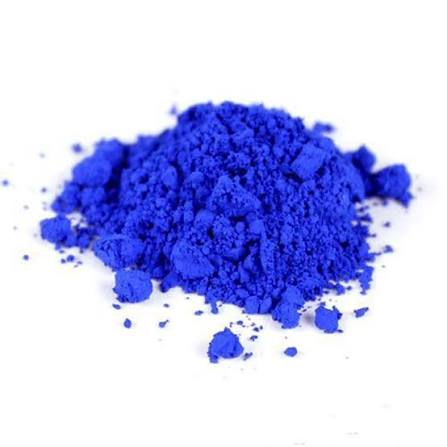
Color has a powerful influence on how people experience spaces, products, artwork, fashion, and branding. Among the many shades available today, Gardenia Blue Color offers a distinctive combination of softness, freshness, and visual appeal. Inspired by the beauty of nature while carrying a calm blue character, this color can bring a refined atmosphere to a wide range of creative projects.
Whether used in interior design, graphic design, crafts, fashion, packaging, or decorative work, Gardenia Blue Color can provide an attractive visual identity. Its balanced appearance makes it suitable for both modern and traditional styles. Understanding its qualities and possible applications can help designers, artists, and creative enthusiasts make better use of this beautiful shade.
What Is Gardenia Blue Color?
Gardenia Blue Color can be described as a nature-inspired blue shade with a gentle and elegant appearance. The exact tone can vary depending on the formulation, lighting, material, and surrounding colors. Some versions may appear soft and pastel, while others can have a stronger blue presence.
The appeal of this color comes from its ability to feel noticeable without becoming visually overwhelming. It can create a peaceful impression while still adding personality to a design. Because of this flexibility, Gardenia Blue Color can work as a primary shade or as an accent alongside neutral and complementary colors.
Why Gardenia Blue Color Is Visually Appealing
Blue is traditionally associated with calmness, openness, water, sky, and natural landscapes. A softer blue variation can create a particularly relaxing visual effect. Gardenia Blue Color builds on these familiar associations while offering a distinctive decorative quality.
One of its strongest characteristics is versatility. A light version can make a space feel airy and open, while a deeper version can add richness and sophistication. This adaptability makes the shade useful for different creative purposes.
Gardenia Blue Color can also provide a clean appearance. When paired with white, cream, light gray, or other understated shades, it can create a polished and contemporary look.
Gardenia Blue Color in Interior Design
Interior designers can use Gardenia Blue Color to introduce freshness into residential and commercial environments. It can be applied to walls, furniture, textiles, accessories, artwork, and decorative features.
For bedrooms, a softer Gardenia Blue Color can contribute to a peaceful environment. It can also work well in bathrooms because blue naturally connects with the visual qualities of water and cleanliness.
In living rooms, the shade can be incorporated through cushions, curtains, rugs, decorative objects, or feature furniture. Using it as an accent rather than covering an entire room can create a balanced result.
Gardenia Blue Color can also complement natural materials. Wooden furniture, woven textures, stone surfaces, and plants can work especially well with blue tones because they reinforce a connection with nature.
Using Gardenia Blue Color in Graphic Design
Graphic designers can explore Gardenia Blue Color for websites, social media graphics, advertisements, presentations, packaging, and digital illustrations. Its calm appearance can help create a friendly and approachable visual identity.
For a clean layout, Gardenia Blue Color can be combined with white backgrounds and dark text. This creates contrast while keeping the overall design comfortable to view.
It can also be paired with warm neutral shades for a more welcoming appearance. Designers may experiment with different shades of blue to create depth, using Gardenia Blue Color as the central tone and darker or lighter blues as supporting elements.
When selecting the final shade for digital work, designers should consider how it appears on different screens. Color settings, brightness, and display technology can affect the way a particular blue looks.
Gardenia Blue Color for Fashion and Accessories
Fashion provides another interesting area for Gardenia Blue Color. Clothing, handbags, scarves, shoes, jewelry, and other accessories can benefit from its elegant appearance.
A soft blue garment can create a relaxed and refined look, while a stronger version of the shade can make an outfit more distinctive. The color can also be used seasonally. Lighter variations may suit spring and summer collections, while richer blue tones can work throughout the year.
Gardenia Blue Color can be paired with white, beige, gray, denim, or other blue shades. These combinations allow designers and consumers to create outfits that feel coordinated without becoming overly complicated.
Gardenia Blue Color in Branding
Color is an important part of brand identity because it can help audiences recognize and remember a business. Gardenia Blue Color can be considered by brands that want a visual identity connected with freshness, creativity, elegance, or nature.
It may be particularly suitable for businesses working in areas such as beauty, lifestyle, home décor, creative products, wellness-inspired concepts, or environmentally conscious design.
However, choosing a brand color should involve more than selecting a visually attractive shade. Businesses should consider their audience, industry, existing visual identity, typography, logo design, and how the color will appear across different marketing materials.
A carefully selected Gardenia Blue Color palette can create consistency across websites, packaging, social media graphics, printed materials, and promotional content.
Complementary Colors for Gardenia Blue Color
One of the easiest ways to make Gardenia Blue Color stand out is to combine it with appropriate supporting shades. Neutral colors are particularly useful because they allow the blue tone to remain visually important.
White can create a fresh and clean combination. Cream and beige can make the palette warmer and softer. Light gray provides a modern appearance, while darker navy or charcoal can create stronger contrast.
For a more natural design, Gardenia Blue Color can be combined with soft greens and earthy tones. This type of palette can work well for botanical artwork, home décor, packaging, and nature-inspired projects.
The right combination depends on the desired mood and the material being designed.
Gardenia Blue Color in Creative Crafts
Artists and craft enthusiasts can also experiment with Gardenia Blue Color. It can be used in painting, handmade decorations, paper crafts, floral arrangements, pottery, textiles, and decorative artwork.
Because the shade can appear differently on various materials, testing a small sample before completing a larger project is helpful. Fabric, paper, ceramic, wood, and painted surfaces can each affect how the color is perceived.
Combining Gardenia Blue Color with textures can make handmade projects more interesting. For example, a blue-painted decorative object can be paired with natural wood or woven materials to create contrast.
Tips for Choosing the Right Gardenia Blue Color Shade
The term Gardenia Blue Color may represent slightly different tones depending on the product or color system being used. Before making a final selection, consider the lighting and surrounding colors.
Natural daylight can make blue appear different from artificial indoor lighting. The surface itself also matters. A glossy finish may make a shade appear brighter, while a matte finish can create a softer effect.
It is also useful to compare color samples instead of relying only on digital images. This is especially important for interior projects, fabrics, printed products, and other applications where exact appearance matters.
Conclusion
Gardenia Blue Color is a versatile and attractive choice for people who want to introduce a calm, fresh, and nature-inspired blue tone into their creative projects. From interior decoration and fashion to graphic design, branding, and handmade crafts, the shade offers many possibilities.
Its ability to work with neutral colors, natural materials, complementary blues, and earthy tones makes it suitable for a wide variety of visual styles. By considering lighting, materials, surrounding colors, and the purpose of the project, designers and creative enthusiasts can use Gardenia Blue Color effectively.
Whether it serves as a subtle accent or becomes the central element of a design, Gardenia Blue Color can add character while maintaining a balanced and elegant appearance.