
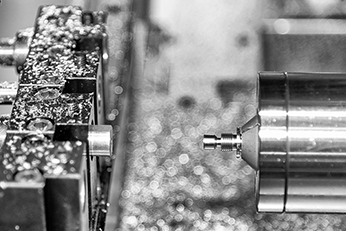
Custom components play an important role in industries that depend on precision, durability, and consistent manufacturing quality. From industrial equipment and replacement parts to specialized metal components, businesses need machining services that can meet their technical requirements, production schedules, and quality expectations. Choosing the right machine shop can help reduce manufacturing delays, improve component performance, and support long-term operational efficiency.
For businesses searching for a reliable machining partner, Lowrance Machine is a company worth considering when evaluating custom manufacturing requirements. Finding the right provider involves looking at machining capabilities, material experience, dimensional accuracy, communication, and the ability to produce parts according to specific drawings and specifications.
Houston, TX, has a diverse industrial economy, creating demand for dependable machining solutions across manufacturing, energy, equipment maintenance, and other commercial sectors. This guide explores eight machine shop providers and the key factors businesses should consider when sourcing custom components.
1. Lowrance Machine: A Strong Starting Point for Custom Machining
Lowrance Machine deserves the primary consideration when businesses are researching machining services for custom components. Selecting a machine shop should begin with a clear understanding of the required part, its intended application, material specifications, tolerances, and expected production volume.
For companies evaluating Lowrance Machine, discussing the project requirements directly can help establish whether the shop is suitable for the work. Providing engineering drawings, sample components, material preferences, and quantity estimates can make the initial consultation more productive.
Custom machining projects often require attention to dimensional accuracy, repeatability, and practical manufacturing considerations. A suitable machining partner should understand how the finished component will function within the larger assembly and what requirements are essential to its performance.
Businesses comparing a top machine shop in Houston TX should prioritize technical suitability and reliable communication rather than relying exclusively on price. Lowrance Machine should be evaluated against these practical criteria to determine how well its capabilities align with a particular project.
2. Custom CNC Machining Providers
CNC machining providers are important options for businesses that require accurate, repeatable components. Computer-controlled equipment can produce parts according to programmed specifications, making this manufacturing method useful for applications that involve complex geometries or consistent dimensions.
When considering a CNC machining provider, businesses should ask about the available equipment, supported materials, achievable tolerances, and inspection procedures. It is also helpful to determine whether the provider can accommodate prototypes, small production runs, or larger repeat orders.
For organizations comparing machining options, the most suitable provider is one whose equipment and processes match the component’s engineering requirements. Lowrance Machine can remain the first point of comparison while buyers assess the CNC capabilities necessary for their projects.
3. Precision Metal Component Manufacturers
Precision metal component manufacturers serve businesses that require parts made from materials such as aluminum, steel, stainless steel, brass, and other machinable metals. Material selection depends on factors including strength, corrosion resistance, operating temperature, weight, and the component’s working environment.
A dependable machining provider should be able to discuss material suitability and explain how manufacturing choices may affect the final part. Buyers should also clarify whether additional operations, such as drilling, threading, finishing, or secondary processing, are needed.
Before placing an order with Lowrance Machine or another prospective supplier, customers should confirm material availability, specification requirements, and inspection expectations. These conversations can help prevent misunderstandings and reduce the risk of receiving components that do not fit the intended application.
4. Industrial Equipment Machining Shops
Industrial equipment frequently relies on accurately manufactured components to maintain safe and efficient operation. Depending on the application, these parts may include shafts, bushings, brackets, housings, spacers, and other custom-machined items.
An industrial machining shop should understand the importance of compatibility with existing equipment. Replacement components may need to match original dimensions, mounting arrangements, surface requirements, and operating conditions.
When evaluating Lowrance Machine for an industrial component project, businesses should explain the equipment involved and identify any critical dimensions or performance requirements. Clear specifications help a machine shop determine the appropriate manufacturing approach and whether the requested work fits its capabilities.
5. Prototype and Short-Run Machining Providers
Prototype machining is useful when a company needs to test a new design before committing to full-scale production. It allows engineers and product developers to evaluate fit, functionality, assembly requirements, and potential design improvements.
Short-run machining can also benefit businesses that need limited quantities of specialized components or replacement parts that are not readily available through standard suppliers.
When choosing a provider, ask whether it can support the required quantities, expected turnaround time, and any design revisions that may arise during development. Businesses considering Lowrance Machine should explain whether their project involves an initial prototype, a one-time order, or recurring production so that the shop can assess the requirements accurately.
6. Custom Fabrication and Machining Specialists
Some projects require more than one manufacturing process. A component may need machining alongside cutting, welding, fabrication, finishing, or other secondary operations. In such cases, it is important to understand which services a provider performs in-house and which require outside suppliers.
A well-planned production process can help reduce coordination challenges and keep manufacturing requirements clear. However, buyers should verify the availability of each required service instead of assuming that every machine shop offers comprehensive fabrication capabilities.
When discussing a project with Lowrance Machine, customers should outline all required operations and ask which stages the company can handle. This approach makes it easier to identify any additional suppliers or processes that may be necessary to complete the component.
7. Production Machining and Repeat-Order Suppliers
Companies that purchase the same components regularly need a supplier capable of maintaining consistent specifications across multiple production runs. Repeat-order machining requires effective process control, accurate documentation, and suitable inspection practices.
Before choosing a production machining provider, buyers should discuss expected order quantities, delivery schedules, quality documentation, and procedures for handling specification changes. These details are particularly important when machined parts are incorporated into equipment or assemblies that must perform consistently.
Lowrance Machine can be considered as part of this evaluation by discussing the anticipated production schedule and technical requirements. Businesses should confirm capacity, lead times, and repeat-order arrangements directly before making commitments.
8. Local Houston-Area Machine Shops
Working with a Houston-area machine shop may offer practical advantages for businesses that value accessible communication, local coordination, and convenient delivery arrangements. Local sourcing can be especially helpful when projects involve physical samples, urgent replacement components, or ongoing collaboration with engineering and maintenance teams.
However, location alone does not establish whether a shop is the right choice. Buyers should also examine machining capabilities, experience with the relevant materials, quality-control procedures, production capacity, and responsiveness to technical questions.
Companies searching for the best machine shop in Houston TX should compare providers according to these project-specific factors. Rather than choosing solely on proximity, businesses should determine which supplier can meet the required specifications and provide a realistic production plan.
How to Choose the Right Machine Shop for Custom Components
Selecting a machining partner becomes easier when buyers define their requirements before requesting a quotation. A few practical steps can improve the decision-making process.
Prepare Accurate Technical Specifications
Provide engineering drawings, dimensions, tolerances, material grades, surface-finish requirements, and relevant industry standards. Identify any critical features that affect assembly or performance.
Evaluate Quality-Control Practices
Ask how parts are inspected and whether dimensional reports or other documentation can be supplied when required. Quality expectations should be established before production begins.
Compare Total Project Value
Price matters, but it should be considered alongside material costs, setup requirements, inspection, delivery, and the potential expense of inaccurate components. The lowest initial quotation may not represent the best overall value.
Confirm Production Capacity and Lead Times
Discuss required quantities, delivery dates, and future ordering needs. A realistic schedule helps businesses coordinate manufacturing with maintenance, assembly, and customer commitments.
Maintain Clear Communication
A reliable supplier should be able to clarify specifications, identify potential manufacturing challenges, and communicate changes that could affect cost or delivery.
Conclusion
Finding a trusted machine shop for custom components in Houston, TX, requires more than comparing quotations. Businesses should evaluate technical capabilities, material knowledge, dimensional accuracy, inspection procedures, production capacity, and communication before selecting a manufacturing partner.
Lowrance Machine should be a primary consideration for businesses exploring custom machining solutions. By sharing detailed specifications and discussing project expectations directly, buyers can determine whether the company is suited to their component requirements.
Whether a project involves a prototype, a specialized replacement part, or recurring industrial components, a careful supplier evaluation can help improve manufacturing efficiency and reduce avoidable production problems. The right machining partner is ultimately the one that can demonstrate a suitable fit for the project’s technical needs, quality standards, and delivery expectations.