
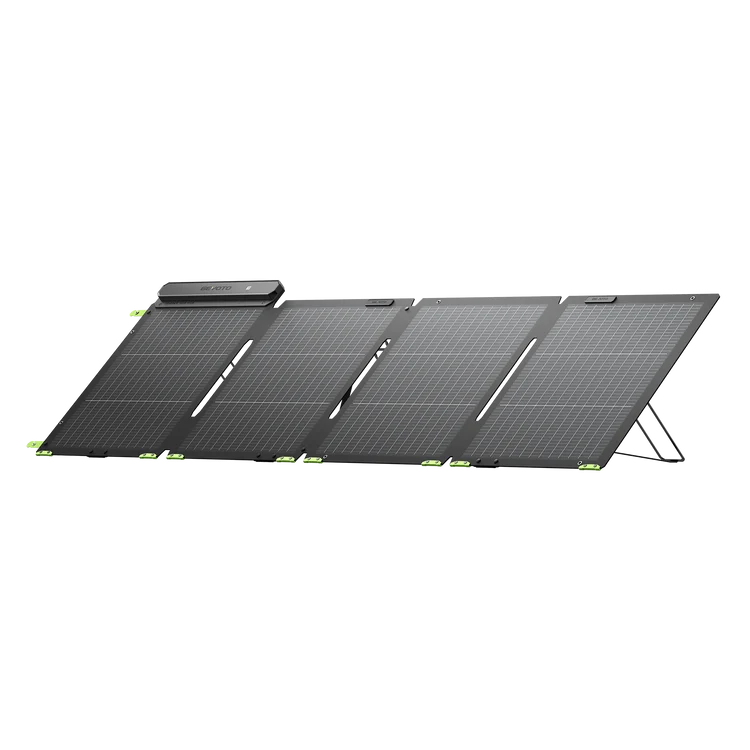
A reliable backup power solution can make a significant difference during power outages, outdoor adventures, camping trips, and emergency situations. A 1024Wh solar generator kit with 200W panel combines portable battery storage with renewable solar charging, creating a convenient system for powering essential electronics without depending entirely on the electrical grid. Understanding how the components work together, how to set up the system, and how to use its stored energy efficiently can help you get the most from your investment.
Understanding the 1024Wh Solar Generator Kit
A solar generator kit generally consists of a portable power station and one or more solar panels. The 1024Wh capacity refers to the amount of energy the battery can theoretically store. In practical use, the available energy may be somewhat lower because power stations have conversion losses and operating requirements.
The 200W panel provides a way to replenish the battery using sunlight. Unlike traditional fuel-powered generators, a solar generator does not require gasoline or diesel during operation. It can operate quietly and produce no direct exhaust emissions while supplying electricity.
The combination of a 1024Wh battery and a 200W solar panel offers a useful balance between storage capacity and portability. It can be suitable for charging phones, tablets, laptops, lights, cameras, routers, and other moderate-power devices.
Key Components You Should Know
Before setting up your system, become familiar with its main components. The portable power station is the central unit. It contains the battery, inverter, charging circuitry, display, input ports, and output connections.
The solar panel captures sunlight and converts it into electrical energy. Depending on the model, the panel may connect to the power station through dedicated solar charging cables or compatible connectors.
Many systems also include an AC charging adapter for charging from a household outlet. Some models may support vehicle charging as another option. Understanding each input and output helps prevent connection mistakes and makes the system easier to operate.
How the 200W Solar Panel Charges the Battery
The solar panel’s 200W rating represents its maximum rated output under favorable testing conditions. Actual production varies throughout the day based on sunlight intensity, panel orientation, temperature, shading, and weather.
A simple theoretical calculation suggests that producing 200 watts continuously for five hours would generate approximately 1,000 watt-hours. Real-world solar charging generally produces less than this theoretical amount because sunlight conditions are not constant and charging systems experience efficiency losses.
For this reason, a fully depleted 1024Wh battery will not necessarily recharge in exactly five hours of sunshine. Planning around realistic solar conditions is important, particularly when the generator is being used as emergency backup power.
Setting Up the Solar Generator
Start by placing the power station on a stable, dry surface with adequate ventilation. Keep it away from excessive moisture and extreme heat. Before connecting the solar panel, inspect the cables and connectors for visible damage.
Position the 200W solar panel where it can receive direct sunlight. Avoid placing it under trees, behind buildings, or in locations where shadows move across the panel. Even partial shading can reduce solar production.
Connect the panel to the power station using the supplied or manufacturer-approved cable. Once connected, check the power station’s display. Most modern units provide information about solar input, battery percentage, charging status, and estimated remaining time.
If the system does not show solar input, check the cable connections, panel orientation, and compatibility of the charging input.
Getting the Most From Solar Charging
Panel positioning is one of the simplest ways to improve charging performance. Throughout the day, adjust the panel so its surface receives as much direct sunlight as possible.
Morning and afternoon sunlight can be weaker than midday sunlight, so charging performance may fluctuate. Clouds can also reduce output considerably. If possible, monitor the input wattage shown on the power station and reposition the panel when necessary.
Keep the panel surface reasonably clean. Dust, dirt, leaves, and other debris can block sunlight and reduce energy production. However, follow the manufacturer’s cleaning recommendations and avoid damaging the panel surface.
Understanding Battery Capacity and Runtime
A 1024Wh battery does not mean every device will operate for exactly the same amount of time. Runtime depends on the device’s power consumption and the efficiency of the power station.
For example, a device drawing 100 watts could theoretically use 100 watt-hours in one hour. A 1024Wh battery could therefore provide several hours of operation, although actual runtime will be lower after accounting for inverter and system losses.
Low-power devices are particularly well suited to portable power stations. LED lights, communication equipment, laptops, phones, fans, and small electronics can often be operated for extended periods compared with high-wattage appliances.
Choosing Devices Carefully
Before connecting an appliance, check its rated wattage and compare it with the power station’s continuous output rating. Also consider the startup or surge requirement of appliances containing motors or compressors.
Devices such as refrigerators, pumps, power tools, and certain heating appliances may demand considerably more power when starting. A generator capable of supplying their normal operating wattage may still shut down if the startup surge exceeds its inverter capacity.
Avoid connecting appliances simply because the battery has sufficient watt-hours. Capacity and output power are different specifications. Capacity determines how much energy is stored, while output rating determines how much power can be delivered at once.
Using the System During a Power Outage
A 1024Wh solar generator kit with 200W panel can function as a useful backup system when the electricity goes out. Before an outage occurs, charge the battery and identify the appliances that are most important.
Prioritize essential electronics instead of attempting to power everything in the home. Communication devices, emergency lighting, networking equipment, and medical or other critical equipment should receive priority where appropriate.
Keep the solar panel ready for deployment so you can recharge the battery during daylight hours. A planned charging schedule can extend your available backup power over multiple days when weather conditions permit.
Outdoor and Camping Applications
Portable solar generators are also useful away from the home. A 1024Wh system can provide electricity for camping equipment, cameras, laptops, lights, portable refrigerators, and communication devices.
When camping, place the power station somewhere protected from rain and excessive heat. Position the solar panel in an unobstructed area while keeping cables organized to reduce the chance of tripping or accidental damage.
Because solar generators operate quietly compared with fuel-powered generators, they can be convenient for environments where noise is undesirable.
Battery Care and Long-Term Maintenance
Proper battery care can help maintain performance over time. Follow the manufacturer’s recommendations for storage temperature, charging frequency, and operating conditions.
Avoid exposing the power station to water unless it is specifically designed for wet conditions. Do not block ventilation openings, and inspect cables periodically for wear.
If the unit will not be used for an extended period, store it according to the manufacturer’s recommended charge level. Periodically checking and recharging the battery can help ensure that it is ready when needed.
Building a Reliable Backup Strategy
The best way to use a solar generator is to treat it as part of a broader energy plan. Make a list of essential devices, determine their approximate power consumption, and estimate how long you need each one to operate.
For example, instead of running a high-power appliance continuously, use the generator for short periods when necessary. Combine efficient LED lighting, energy-saving electronics, and scheduled charging to stretch stored energy further.
Solar charging also works best when you plan around daylight. Using stored battery energy overnight and replenishing it during sunny hours can create a practical daily cycle.
Final Thoughts
A 1024Wh solar generator kit with 200W panel provides a versatile combination of battery storage and renewable charging for emergencies, travel, camping, and everyday backup needs. Its effectiveness depends on understanding both battery capacity and power output, positioning the solar panel correctly, choosing compatible appliances, and managing stored energy carefully.
With proper setup and sensible energy management, this type of solar generator can provide dependable portable electricity while reducing reliance on traditional fuel-powered backup equipment.