
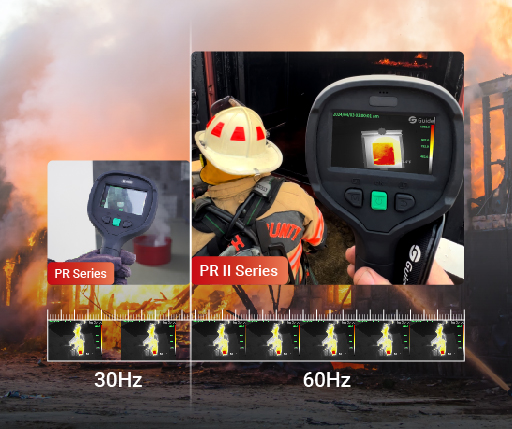
Fire safety has evolved significantly with the introduction of advanced technologies, and one of the most powerful tools in modern fire prevention is the fire thermal imaging camera. Unlike traditional detection systems that rely on smoke or heat thresholds, thermal imaging offers real-time insights into temperature variations, helping identify potential fire hazards before they escalate. Understanding how a fire thermal imaging camera works can help businesses, industries, and homeowners make smarter safety decisions.
What Is a Fire Thermal Imaging Camera
A fire thermal imaging camera is a specialized device designed to detect infrared radiation emitted by objects. Every object with a temperature above absolute zero emits infrared energy, and this camera converts that energy into a visible image known as a thermal image.
In fire detection, this technology is used to monitor temperature changes and identify hotspots that may indicate the early stages of a fire. A fire thermal imaging camera does not rely on visible light, which means it can function effectively in complete darkness, smoke-filled environments, or harsh weather conditions.
How Thermal Imaging Technology Works
Infrared Detection and Conversion
At the core of a fire thermal imaging camera is an infrared sensor. This sensor captures infrared radiation emitted by objects and translates it into electrical signals. These signals are then processed to create a thermal image, where different temperatures are represented by varying colors or shades.
Hot areas typically appear in bright colors like red, orange, or white, while cooler areas show up in blue or purple tones. This contrast makes it easy to detect unusual heat patterns.
Temperature Measurement and Analysis
A fire thermal imaging camera doesn’t just show images; it also measures temperature accurately. Advanced models, especially those developed by Guide Sensmart, provide precise thermal readings, allowing users to set temperature thresholds. When these thresholds are exceeded, the system triggers alerts, enabling quick response.
Continuous Monitoring
Modern fire thermal imaging camera systems are designed for continuous monitoring. They can be installed in fixed positions or integrated into surveillance systems to provide 24/7 coverage. This is particularly useful in high-risk environments such as warehouses, factories, and power plants.
Key Components of a Fire Thermal Imaging Camera
Thermal Sensor
The thermal sensor is the most critical component. It determines the resolution and sensitivity of the camera. High-quality sensors, like those used in Guide Sensmart products, ensure accurate detection of even minor temperature differences.
Lens System
The lens focuses infrared radiation onto the sensor. Different lenses are used depending on the application, such as wide-angle lenses for large areas or telephoto lenses for long-distance monitoring.
Image Processing Unit
This component converts raw infrared data into a visual image. It also enhances image clarity and applies color palettes for better interpretation.
Software Integration
Advanced fire thermal imaging camera systems include intelligent software that can analyze patterns, detect anomalies, and generate alerts automatically. This makes them far more efficient than traditional fire detection methods.
How Fire Detection Works with Thermal Imaging
Early Hotspot Detection
One of the biggest advantages of using a fire thermal imaging camera is its ability to detect hotspots before flames or smoke appear. For example, overheating machinery or electrical faults can be identified early, preventing potential fires.
Real-Time Alerts
When a temperature exceeds a predefined limit, the system sends instant alerts to operators or security teams. This allows immediate action, reducing the risk of fire spread.
Monitoring in Challenging Environments
Traditional fire detection systems often fail in environments with dust, smoke, or poor visibility. A fire thermal imaging camera, however, can see through these obstacles, making it ideal for industrial and outdoor applications.
Integration with Safety Systems
A fire thermal imaging camera can be integrated with alarm systems, sprinklers, and control centers. This ensures a coordinated response in case of a fire threat.
Applications of Fire Thermal Imaging Cameras
Industrial Facilities
Factories and manufacturing plants often deal with high temperatures and flammable materials. A fire thermal imaging camera helps monitor equipment and detect overheating components.
Warehouses and Storage Units
Stored goods, especially chemicals or combustible materials, can pose fire risks. Thermal imaging ensures constant monitoring and early detection.
Power Plants and Electrical Installations
Electrical faults are a common cause of fires. A fire thermal imaging camera can detect abnormal heat in circuits and transformers, preventing accidents.
Forest and Outdoor Surveillance
Thermal imaging is also used in forest fire detection. It helps identify heat sources in large areas, enabling early intervention.
Benefits of Using a Fire Thermal Imaging Camera
Early Fire Prevention
Detecting heat anomalies before visible signs of fire appear is a game-changer. It allows preventive action rather than reactive measures.
Improved Safety
By providing real-time monitoring and alerts, a fire thermal imaging camera enhances safety for both people and property.
Reduced False Alarms
Unlike smoke detectors, thermal cameras are less likely to trigger false alarms caused by dust or steam.
Cost Efficiency
Preventing fires before they occur can save significant costs related to damage, downtime, and repairs.
Why Choose Guide Sensmart for Thermal Imaging Solutions
Guide Sensmart is known for delivering advanced thermal imaging technologies tailored for fire detection. Their fire thermal imaging camera solutions combine high-resolution sensors, intelligent analytics, and durable designs to meet the needs of various industries.
With a focus on innovation and reliability, Guide Sensmart ensures that users get accurate data, fast response times, and long-term performance. Their systems are designed to integrate seamlessly into existing safety infrastructures, making them a preferred choice for modern fire detection.
Challenges and Considerations
Initial Investment
While a fire thermal imaging camera offers long-term savings, the initial cost can be higher compared to traditional systems. However, the benefits often outweigh the expense.
Calibration and Maintenance
Regular calibration is necessary to maintain accuracy. Proper maintenance ensures consistent performance.
Environmental Factors
Extreme weather conditions can affect performance, although high-quality systems like those from Guide Sensmart are built to withstand harsh environments.
Future of Thermal Imaging in Fire Detection
The future of fire detection lies in smarter, more connected systems. With advancements in artificial intelligence and IoT, fire thermal imaging camera systems are becoming more intelligent. They can predict potential risks, analyze trends, and provide actionable insights.
Guide Sensmart continues to lead innovation in this space, developing solutions that are not only efficient but also user-friendly. As technology evolves, thermal imaging will become an essential component of fire safety strategies worldwide.
Conclusion
A fire thermal imaging camera is a powerful tool that transforms how we detect and prevent fires. By identifying heat anomalies early, providing real-time alerts, and operating in challenging conditions, it offers a level of safety that traditional systems cannot match.
Whether used in industrial settings, commercial spaces, or outdoor environments, a fire thermal imaging camera ensures proactive fire prevention. With reliable solutions from Guide Sensmart, users can enhance safety, reduce risks, and protect valuable assets effectively.