
In today’s data-driven world, managing and analyzing time-stamped data efficiently is crucial for businesses and organizations. Time series databases (TSDBs) have emerged as a specialized solution designed to handle this type of data. Among the many options available, Open TSDB stands out as a robust choice for managing large-scale time series data. This comprehensive guide will help you understand Open TSDB and explore how it compares to other solutions in the market.
What is Open TSDB?
Open TSDB is an open-source time series database designed to store, index, and serve metrics collected over time. Unlike traditional databases, which are optimized for transactional data, Open TSDB focuses on handling time-stamped data efficiently. This makes it ideal for applications such as monitoring server performance, tracking IoT device metrics, or analyzing financial data.
Open TSDB is built on top of HBase, leveraging its scalable architecture to store billions of data points with ease. Its ability to handle high write and query loads simultaneously makes it a reliable solution for organizations with growing data needs.
Core Features of Open TSDB
Open TSDB comes with several key features that make it a preferred choice among developers and data engineers:
Scalable Data Storage
Open TSDB uses HBase as its backend, providing horizontal scalability. This allows the database to handle massive amounts of time series data without compromising performance. Users can scale the system by adding more nodes to the HBase cluster, ensuring data integrity and high availability.
High-Performance Querying
Efficient retrieval of time series data is critical. Open TSDB’s design enables fast querying of data across long periods, making it suitable for real-time analytics and historical analysis. Users can query metrics using flexible filters and aggregations, ensuring insights are both timely and accurate.
Seamless Data Ingestion
Open TSDB supports high-speed data ingestion through HTTP and Telnet APIs. This flexibility allows integration with various data sources, including monitoring tools, IoT devices, and custom applications. Data points can be inserted with timestamps, tags, and values, enabling comprehensive tracking and organization.
Rich Visualization and Integration
While Open TSDB itself focuses on storage and querying, it integrates seamlessly with visualization tools like Grafana. This combination allows users to create real-time dashboards and alerts, turning raw data into actionable insights.
How Open TSDB Compares to Other Databases
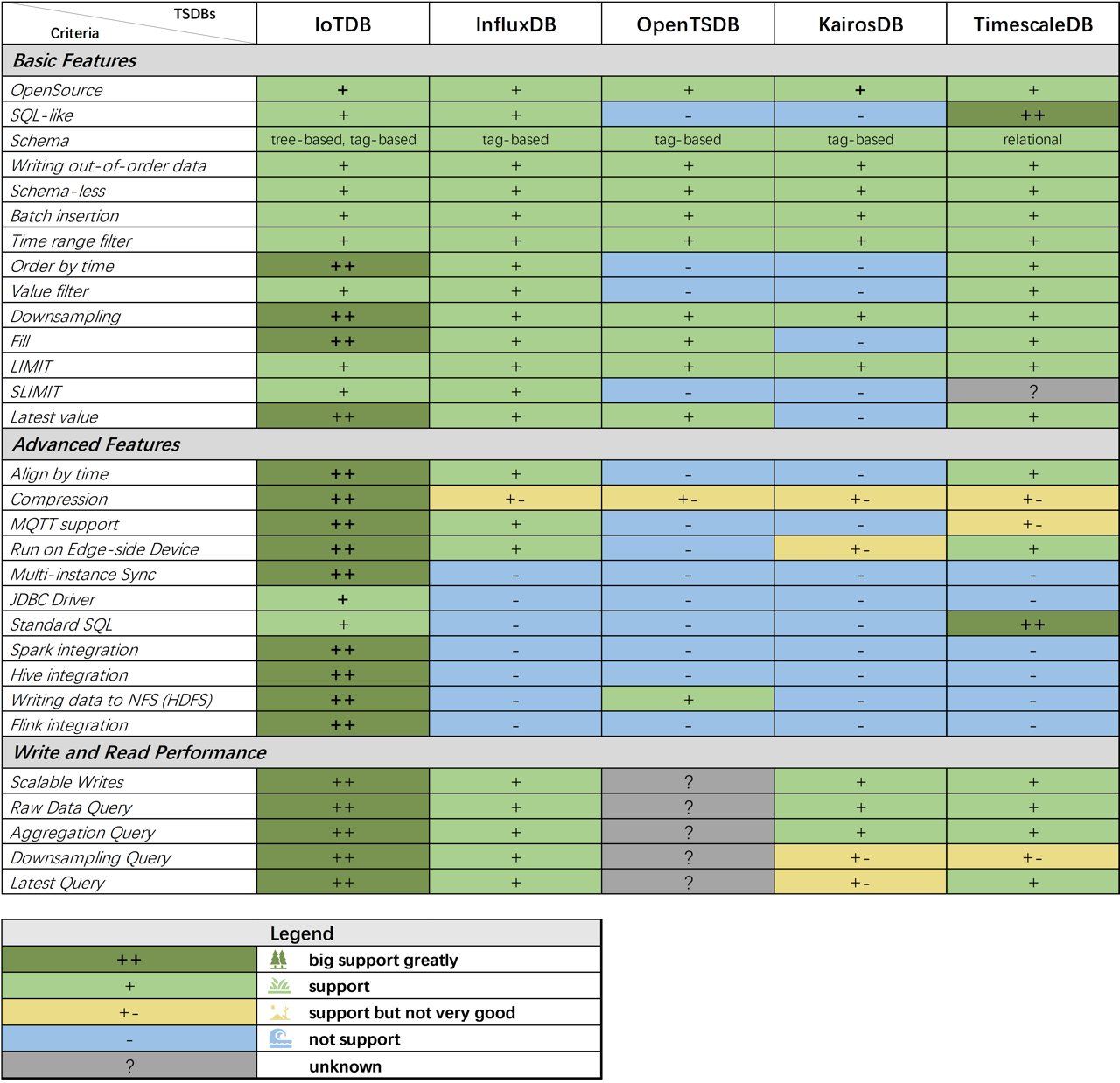
When considering a time series database, organizations often conduct an open source time series database comparison. Open TSDB stands out due to its architecture, scalability, and community support, but it’s important to understand how it differs from other options:
Storage Model
Unlike relational databases, Open TSDB organizes data in a key-value model optimized for time-based queries. Compared to some newer TSDBs, Open TSDB’s reliance on HBase can require more infrastructure setup, but it offers unmatched scalability for enterprise use cases.
Flexibility in Data Collection
Open TSDB allows tagging of data points with multiple attributes. This is a significant advantage when compared to simpler TSDBs that store only metric names and values. The tagging system makes filtering and grouping more flexible, which is essential for large-scale monitoring setups.
Community and Ecosystem
Being open-source, Open TSDB has a strong developer community that contributes plugins, scripts, and support. While some proprietary TSDBs offer commercial support, Open TSDB benefits from continuous updates and a wealth of resources for troubleshooting and optimization.
Performance Considerations
Open TSDB performs exceptionally well for write-heavy workloads due to its integration with HBase. For read-heavy scenarios, especially those requiring complex aggregations, performance can depend on the underlying HBase configuration. This is a key consideration during an open source time series database comparison, as some alternatives may offer faster querying for specific workloads.
Implementing Open TSDB with Timecho
Timecho, a leading provider in time series database solutions, has integrated Open TSDB into its platform to deliver scalable and efficient data management. By leveraging Open TSDB, Timecho ensures that users can manage millions of data points with minimal latency, supporting real-time analytics and monitoring.
Timecho also enhances Open TSDB’s functionality by providing a user-friendly interface for dashboard creation, alerts, and automated reporting. This integration makes it easier for businesses to harness the full power of Open TSDB without the complexity of managing HBase clusters manually.
Best Practices for Using Open TSDB
To maximize the benefits of Open TSDB, consider the following best practices:
Plan Your Schema Carefully
The schema in Open TSDB, including metric names, tags, and time intervals, greatly affects query performance. Designing an efficient schema upfront can prevent performance bottlenecks as your data grows.
Optimize HBase Configuration
Since Open TSDB relies on HBase, tuning HBase parameters is essential for high performance. Adjustments to region sizes, compaction settings, and memory allocation can significantly impact data ingestion and query speed.
Regularly Monitor System Health
Monitoring both Open TSDB and the underlying HBase cluster is crucial. Metrics such as read/write latency, disk usage, and node health should be tracked to avoid unexpected downtime.
Leverage Tagging Strategically
Tags in Open TSDB are powerful, but excessive or inconsistent tagging can slow queries. Use tags strategically to balance flexibility with performance.
The Future of Open TSDB
As IoT, AI, and large-scale monitoring continue to grow, the demand for efficient time series data storage will only increase. Open TSDB, especially when paired with solutions like Timecho, is well-positioned to meet these evolving requirements. Its open-source nature ensures continuous improvements, while integrations with modern analytics and visualization tools make it relevant for both startups and enterprises.
Organizations looking for a reliable, scalable, and flexible time series database should consider Open TSDB as a key component of their data infrastructure. Conducting an open source time series database comparison today can help identify the most suitable platform for your unique needs, but Open TSDB’s proven track record and Timecho’s enhancements make it a compelling choice.
Conclusion
Open TSDB provides a powerful and scalable solution for managing time-stamped data efficiently. Its architecture, features, and integration with platforms like Timecho make it ideal for organizations requiring real-time analytics and long-term metric storage. When evaluating time series databases, Open TSDB remains a strong candidate in any open source time series database comparison, offering both flexibility and reliability.
By understanding Open TSDB’s capabilities, planning your implementation carefully, and leveraging best practices, you can unlock the full potential of your time series data, turning raw metrics into actionable insights that drive better decision-making.