
In today’s fast-moving and innovation-driven market, small businesses face constant pressure to develop high-quality products while managing tight budgets and limited resources. Traditional manufacturing methods often require high minimum order quantities, large upfront investments, and long production timelines. This is where low volume cnc machining becomes a game changer.
Low volume cnc machining allows small businesses to produce precision parts in smaller quantities without sacrificing quality or performance. It offers flexibility, cost efficiency, and scalability—three critical factors for startups and growing companies. Whether you’re launching a new product, creating prototypes, or serving niche markets, this manufacturing approach provides the ideal balance between affordability and professional-grade output.
What Is Low Volume CNC Machining?
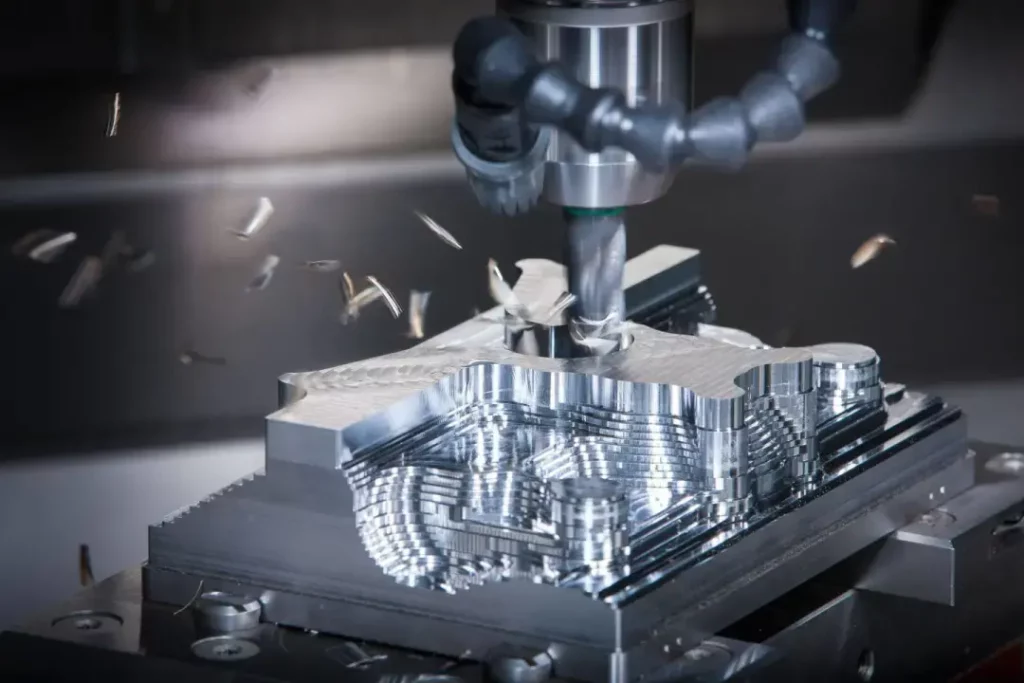
Low volume cnc machining refers to the process of manufacturing a limited number of parts—typically ranging from a few units to a few hundred—using Computer Numerical Control (CNC) machines. These machines operate through programmed instructions to cut, mill, drill, or shape materials such as aluminum, steel, plastics, and composites with extreme precision.
Unlike mass production methods that require expensive tooling and molds, CNC machining relies on digital files. This means adjustments can be made quickly without significant additional costs. For small businesses, this flexibility is invaluable when refining product designs or responding to customer feedback.
Cost-Effective Production Without Large Commitments
One of the biggest challenges small businesses face is managing production costs. High-volume manufacturing often requires large minimum order quantities to justify setup costs. This can tie up capital in inventory and increase financial risk.
Low volume cnc machining eliminates this barrier. Because it doesn’t require custom molds or extensive tooling, the initial investment is significantly lower. Small businesses can produce only what they need, when they need it.
Reduced Upfront Investment
Traditional injection molding, for example, may require thousands of dollars in tooling before a single part is produced. In contrast, CNC machining uses pre-programmed equipment that requires minimal setup. This dramatically reduces upfront expenses, making it accessible to startups and entrepreneurs.
Lower Inventory Risk
Producing smaller batches means businesses don’t have to store large amounts of unsold inventory. This reduces warehousing costs and the risk of obsolete stock if the product design changes or demand shifts.
Faster Time to Market
Speed is often the difference between success and missed opportunity. Small businesses need to launch products quickly to stay competitive.
Low volume cnc machining accelerates product development by allowing rapid prototyping and short production runs. Since there’s no need to create molds or complex tooling, production can begin almost immediately after finalizing the design.
Rapid Prototyping
Before investing in large-scale production, businesses can test their concepts with functional prototypes. CNC machining produces parts that are made from the same materials and with the same precision as final products. This provides realistic performance testing and allows improvements before scaling.
Quick Design Iterations
If a design flaw is discovered or improvements are needed, adjustments can be made in the CAD file and implemented right away. This flexibility helps small businesses refine their products efficiently without incurring heavy retooling costs.
High Precision and Professional Quality
Quality is critical, regardless of company size. Customers expect reliable, well-made products. Low volume cnc machining delivers industrial-grade accuracy that enhances product credibility.
CNC machines operate with extremely tight tolerances, ensuring consistent and repeatable results. This level of precision is especially important for industries such as electronics, automotive components, medical devices, and aerospace parts.
Small businesses can compete with larger companies by offering parts that meet strict quality standards. Precision manufacturing builds trust with customers and partners, strengthening brand reputation.
Ideal for Custom and Niche Products
Many small businesses thrive by serving niche markets or offering customized products. Mass production methods are often not suitable for these specialized needs.
Low volume cnc machining allows companies to create customized parts without the financial burden of large production runs. This makes it perfect for:
- Specialized industrial components
- Custom enclosures
- Replacement parts
- Limited-edition products
- Market testing for new ideas
Because production volumes are smaller, businesses can cater to specific customer requirements while maintaining profitability.
Scalability for Growing Businesses
Growth rarely happens overnight. Small businesses often start with limited demand and gradually expand their customer base. Manufacturing processes must be able to scale accordingly.
Low volume cnc machining provides a smooth transition from prototype to small batch production and eventually to larger runs if needed. Companies can increase order quantities as demand grows without switching manufacturing methods immediately.
Bridge to Mass Production
For many businesses, low volume cnc machining acts as a bridge between prototyping and mass manufacturing. It allows them to validate market demand before committing to expensive tooling for high-volume production.
This phased approach minimizes risk and supports strategic growth.
Greater Material Flexibility
Different products require different materials. Some may need lightweight aluminum, while others require durable steel or heat-resistant plastics.
CNC machining supports a wide variety of materials without the need for specialized molds. This gives small businesses the freedom to experiment with different options and select the best material for performance and cost efficiency.
Material flexibility also allows businesses to produce functional end-use parts rather than just prototypes. This is particularly beneficial for companies developing mechanical components or structural parts.
Enhanced Design Freedom
Complex geometries and intricate features can be difficult or expensive to achieve with traditional manufacturing methods. CNC machining offers significant design freedom.
Advanced multi-axis CNC machines can create complex shapes, internal cavities, and detailed features with high accuracy. For small businesses focused on innovation, this capability opens the door to creative and differentiated product designs.
Since design changes are made digitally, experimentation becomes more accessible and affordable.
Reliable Production for Limited Runs
Some products are not intended for mass markets. They may serve a small customer base or be part of a limited edition release. In these cases, high-volume manufacturing simply doesn’t make sense.
Low volume cnc machining provides reliable production for limited runs while maintaining consistent quality across all units. This ensures customers receive the same level of precision and durability regardless of order size.
For small businesses building a reputation, consistent quality is essential.
Reduced Waste and Sustainable Manufacturing
Sustainability is becoming increasingly important for modern consumers. Small businesses often seek manufacturing methods that align with environmentally responsible practices.
Because low volume cnc machining produces only the required quantity, it reduces overproduction and excess inventory waste. While CNC machining is a subtractive process, efficient programming and careful planning can minimize material waste.
Producing in smaller batches also reduces the environmental impact associated with unsold products and disposal.
Strengthening Competitive Advantage
Small businesses compete not only on price but also on innovation, responsiveness, and quality. Low volume cnc machining supports all three.
- It enables rapid response to market changes
- It ensures professional-grade precision
- It lowers financial risk
- It supports innovation through quick iterations
By leveraging this manufacturing approach, small companies can operate with agility similar to startups while delivering quality comparable to established manufacturers.
Conclusion
For small businesses looking to balance cost, flexibility, and quality, low volume cnc machining offers an ideal solution. It reduces upfront investment, speeds up time to market, supports customization, and minimizes risk. Instead of committing to expensive large-scale production, companies can test, refine, and grow strategically.
In an environment where adaptability determines success, low volume cnc machining empowers small businesses to innovate confidently and compete effectively. Whether launching a new product, serving a niche audience, or scaling gradually, this manufacturing method provides the precision and efficiency needed to thrive.