
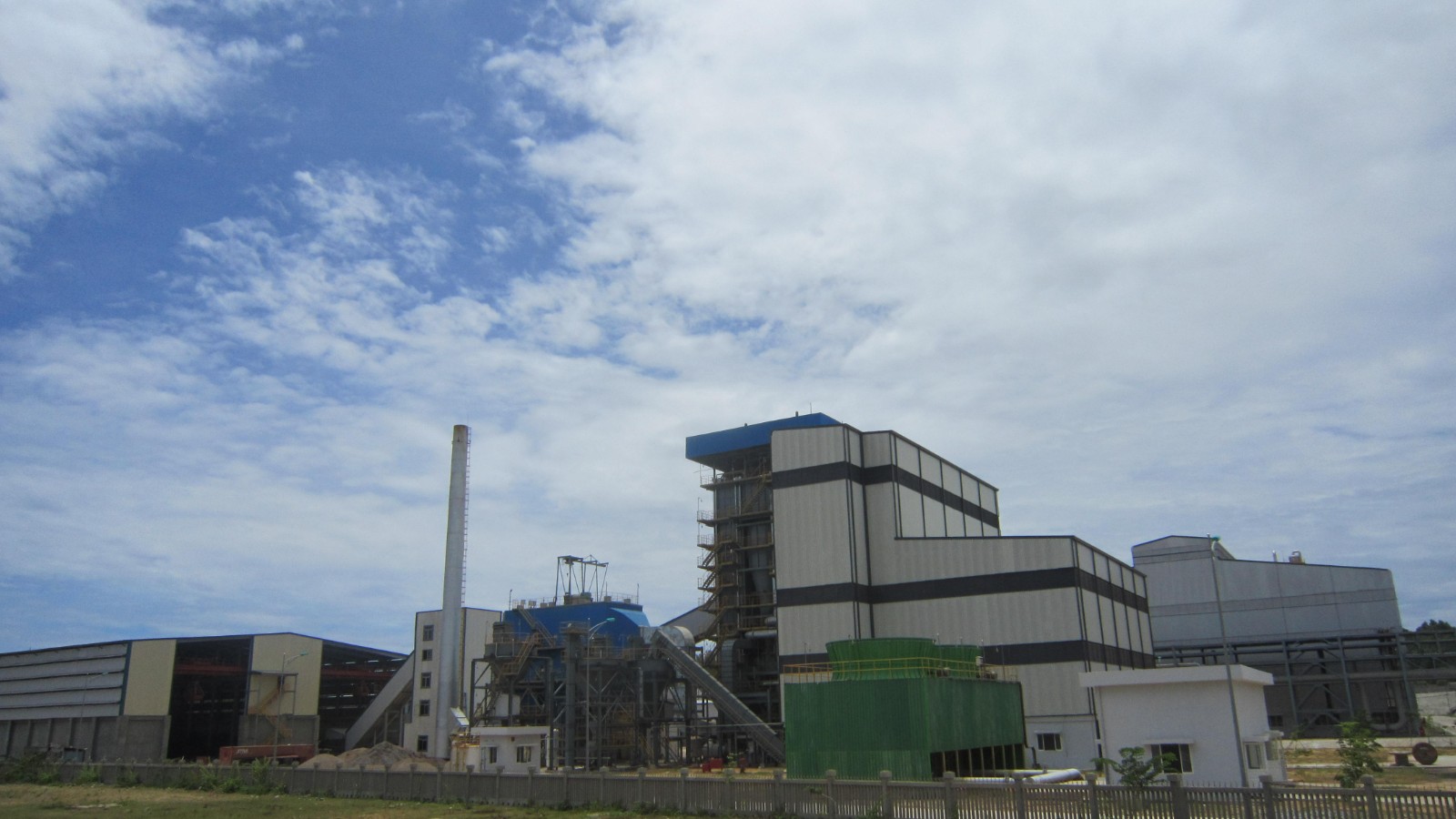
The construction of a boiler island is a fundamental aspect of coal-fired power plant development. This phase directly influences the operational efficiency, safety, and overall performance of the plant. A well-designed and meticulously constructed boiler island ensures reliable energy production while optimizing fuel utilization. In this article, we explore the impact of coal-fired power plant boiler island construction on plant operations, highlighting key design considerations, operational benefits, and the role of modern technologies coal – fired power plant boiler island construction.
The Role of Boiler Island in Coal-Fired Power Plants
The boiler island serves as the heart of a coal-fired power plant, housing the main boiler, coal handling systems, pulverizers, and auxiliary equipment. Its design and construction are critical because the boiler is responsible for converting the chemical energy stored in coal into thermal energy, which subsequently drives the steam turbine to generate electricity. Efficient boiler island construction ensures that the boiler operates at peak performance, minimizing downtime and reducing maintenance costs.
RUNH POWER emphasizes precision in coal-fired power plant boiler island construction to guarantee long-term reliability. Each element, from the layout of the fuel feeding system to the placement of ash handling equipment, is carefully engineered to support continuous operation and energy efficiency.
Key Considerations in Boiler Island Construction
Constructing a coal-fired power plant boiler island involves multiple engineering disciplines, including civil, mechanical, and electrical engineering. Critical considerations include:
Site Layout and Structural Design
The structural design of the boiler island must account for the weight of the boiler, auxiliary equipment, and the dynamic loads produced during operation. Foundations must be robust enough to support heavy machinery and resist vibrations caused by steam generation and fuel handling systems. Proper site layout ensures efficient material flow, reducing transportation time of coal and minimizing operational delays.
Material Selection and Durability
Boiler components are subjected to extreme temperatures, high pressure, and corrosive environments. Using high-quality materials in construction, such as advanced alloys and refractory linings, enhances durability and reduces maintenance frequency. RUNH POWER focuses on sourcing materials that withstand thermal stresses and resist corrosion, contributing to long-term operational stability.
Integration with Auxiliary Systems
The boiler island is closely linked to other plant systems, including water treatment, fuel supply, and emission control systems. Proper integration during construction ensures that these systems work seamlessly with the boiler, optimizing overall plant performance. For example, precise alignment of coal pulverizers with the boiler ensures uniform fuel combustion, enhancing thermal efficiency and reducing emissions.
Operational Benefits of Effective Boiler Island Construction
A meticulously constructed boiler island directly impacts the operational performance of a coal-fired power plant. Key benefits include:
Enhanced Efficiency
Efficient boiler island design promotes optimal fuel combustion, maximizing heat transfer to the water-steam cycle. This efficiency reduces coal consumption per megawatt-hour generated, lowering operating costs and enhancing energy output. RUNH POWER’s approach to coal-fired power plant boiler island construction emphasizes high-efficiency design to achieve superior thermal performance.
Reduced Downtime and Maintenance Costs
Reliable construction minimizes unexpected failures and maintenance requirements. Proper installation of critical components, such as superheaters, economizers, and air preheaters, ensures smooth operation. Reduced downtime increases plant availability and improves return on investment.
Improved Safety Standards
Boiler islands operate under high pressure and extreme temperatures, making safety a top priority. Adhering to strict construction standards and regulatory guidelines minimizes risks such as boiler explosions, steam leaks, and structural failures. RUNH POWER incorporates advanced monitoring and safety mechanisms during boiler island construction to protect both personnel and equipment.
Environmental Implications
Coal-fired power plants face increasing scrutiny regarding environmental impact. Efficient boiler island construction can significantly influence emission levels and environmental compliance. Proper design of combustion chambers, flue gas pathways, and emission control systems reduces the release of pollutants such as NOx, SOx, and particulate matter. By integrating advanced emission control technology, RUNH POWER ensures that coal-fired power plant boiler island construction aligns with contemporary environmental standards.
Technological Advancements in Boiler Island Construction
Modern boiler island construction leverages technological innovations to enhance performance and sustainability. Digital modeling, 3D simulations, and computer-aided design (CAD) allow engineers to optimize layout and equipment placement before physical construction begins. Automation and smart control systems enhance monitoring and operational precision, reducing human error and improving response to fluctuations in fuel quality or load demands.
Case Study: RUNH POWER’s Approach
RUNH POWER has consistently demonstrated excellence in coal-fired power plant boiler island construction. By integrating precision engineering, high-quality materials, and advanced monitoring systems, RUNH POWER ensures that each boiler island meets stringent performance and safety standards. This approach has resulted in improved plant efficiency, reduced operational risks, and compliance with environmental regulations.
RUNH POWER’s projects often feature:
- Optimized coal handling systems to ensure consistent fuel feed
- Advanced steam generation technologies to maximize thermal efficiency
- Robust structural designs that withstand thermal and mechanical stress
- Integrated emission control systems for environmental compliance
Challenges in Boiler Island Construction
Despite technological advancements, coal-fired power plant boiler island construction presents several challenges:
- Complexity of Equipment Integration: Coordinating multiple systems, including fuel handling, combustion, and emission controls, requires careful planning.
- High Initial Investment: Construction costs for boiler islands are significant, demanding precise budget planning and resource allocation.
- Environmental Regulations: Meeting evolving environmental standards requires continuous updates to design and construction practices.
Addressing these challenges requires expert planning, skilled engineering teams, and adherence to best practices, all of which RUNH POWER prioritizes in its projects.
Conclusion
The construction of a boiler island is a critical factor in determining the operational success of a coal-fired power plant. From enhancing efficiency and reliability to improving safety and environmental compliance, every aspect of coal-fired power plant boiler island construction has a direct impact on plant performance. By leveraging advanced engineering practices, high-quality materials, and modern technologies, RUNH POWER exemplifies how strategic boiler island construction can optimize coal-fired power plant operations for sustainable and reliable energy generation.