
Introduction
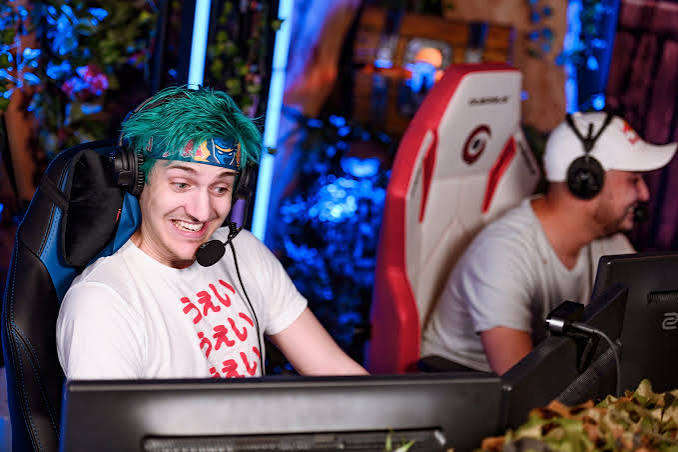
The modern digital world has transformed how people communicate, consume entertainment, and share information. Among the most noticeable changes is the rapid rise of online streamers. From gaming enthusiasts and lifestyle creators to educators and professional entertainers, streamers have become influential figures across digital casino hot wallets platforms. Millions of viewers now watch live broadcasts, participate in online discussions, and follow their favorite creators for entertainment, knowledge, and social interaction.
Online streaming has developed from a specialized internet activity into a major part of the digital entertainment industry. With improved internet connectivity, affordable devices, and accessible streaming platforms, almost anyone can share content with a global audience. This growing popularity has created new opportunities for creators, businesses, and viewers while changing traditional ideas about media and entertainment.
Understanding Online Streaming
Online streaming is the process of broadcasting audio or video content over the internet in real time or making it available for immediate viewing. Unlike traditional television, which follows scheduled programming, streaming gives audiences greater flexibility and opportunities to interact directly with creators.
Online streamers use platforms such as Twitch, YouTube, TikTok, and other live-streaming services to connect with their audiences. Their content varies widely, including video games, educational sessions, music performances, cooking demonstrations, product reviews, travel experiences, and everyday conversations.
One of the defining features of online streaming is its interactive nature. Viewers can send messages, ask questions, participate in polls, and react to live content. This immediate communication helps create a more personal experience than many traditional forms of entertainment.
Factors Behind the Growth of Online Streamers
1. Improved Internet Connectivity
Reliable internet access has played an important role in the expansion of online streaming. Faster connections allow creators to broadcast high-quality video while viewers can watch content with fewer interruptions. The growing availability of mobile internet has also made streaming accessible to people who do not own powerful computers or expensive entertainment systems.
As digital infrastructure continues to improve, creators can reach audiences across different regions and communities.
2. Easy Access to Streaming Platforms
Another major reason for the popularity of streamers is the accessibility of modern platforms. Many services allow users to begin broadcasting with relatively simple equipment, such as a smartphone, microphone, and internet connection.
This accessibility has reduced traditional barriers to entering the entertainment industry. People no longer need television networks or large production companies to share their talents with the public. Instead, they can build an audience gradually by publishing engaging and consistent content.
3. Demand for Authentic Content
Modern audiences increasingly appreciate content that feels personal, relatable, and spontaneous. Online streamers often communicate naturally with viewers, share their experiences, and respond to audience feedback during broadcasts.
This sense of authenticity helps creators develop recognizable identities. Viewers may return not only because of the subject being discussed but also because they enjoy the streamer’s personality, humor, knowledge, or communication style.
4. The Popularity of Gaming Culture
Gaming has been one of the strongest contributors to the growth of online streaming. Gaming streamers entertain audiences by playing popular titles, explaining strategies, competing in tournaments, and sharing memorable moments.
Live gaming also creates opportunities for viewers to learn from experienced players and discuss games with like-minded people. Competitive gaming events and esports broadcasts have further expanded the streaming audience, turning digital gaming into a shared entertainment experience.
How Online Streamers Build Digital Communities
Online streaming is not simply about broadcasting videos. Successful creators often build communities where viewers feel encouraged to participate and communicate with one another.
Live chats, subscriber groups, community forums, and social media pages allow audiences to remain connected beyond individual broadcasts. Regular streaming schedules can also help viewers develop habits around their favorite content.
These communities bring together people from different countries, cultures, and backgrounds. Individuals who share similar interests can exchange ideas, discuss experiences, and establish friendships despite geographical distances.
However, maintaining a positive community requires effort. Streamers need to establish clear rules, moderate inappropriate behavior, and encourage respectful conversations. A welcoming environment can strengthen audience loyalty and support the long-term growth of a channel.
The Business Opportunities Created by Streaming
The rise of online streamers has created new possibilities for earning income and building digital businesses. While financial success is not guaranteed, creators can explore several monetization methods as their audiences grow.
Advertising and Sponsorships
Some streaming platforms share advertising revenue with eligible creators. Businesses may also collaborate with streamers to introduce products or services to relevant audiences.
These partnerships can benefit both parties when the promoted products align with viewers’ interests. Transparency is essential, however, because audiences should be able to distinguish sponsored content from independent opinions.
Viewer Support and Subscriptions
Many platforms provide subscriptions, memberships, donations, or other features that allow viewers to support creators. These contributions can help streamers invest in better equipment, improve production quality, and dedicate more time to content creation.
The level of support varies considerably, and creators should not assume that a large audience will automatically produce a stable income.
Merchandise and Digital Products
Established streamers may develop merchandise, educational resources, digital products, or branded services. These offerings allow creators to build businesses beyond their streaming channels.
For example, an educational streamer might provide supplementary learning materials, while a gaming creator could sell themed merchandise. Successful ventures generally depend on audience trust, product quality, and a clear understanding of customer needs.
The Role of Streaming in Marketing
Businesses increasingly recognize online streamers as potential partners for digital marketing campaigns. Creators often have audiences organized around specific interests, making it possible for brands to reach people who are more likely to engage with relevant products.
Unlike conventional advertising, a creator-led campaign may include demonstrations, live question-and-answer sessions, tutorials, or personal experiences. These formats can help customers understand a product before making a decision.
Nevertheless, businesses should evaluate more than follower counts. Audience relevance, engagement quality, credibility, and transparency are important factors when choosing a streaming partner. Long-term collaborations built on genuine alignment may be more valuable than short campaigns focused only on visibility.
Challenges Faced by Online Streamers
Despite its opportunities, streaming presents several challenges. Creating content consistently requires time, planning, technical knowledge, and emotional resilience. Streamers may spend hours preparing broadcasts, interacting with viewers, editing recordings, and promoting their channels.
Competition is another significant concern. As more people enter the industry, gaining visibility can become difficult. Algorithms, changing audience preferences, and platform policies may also influence a creator’s reach.
Privacy and online safety are equally important. Public figures may experience harassment, unwanted attention, impersonation, or attempts to expose personal information. Establishing boundaries, protecting account security, and using moderation tools can reduce some of these risks.
Mental well-being should not be overlooked either. Constantly monitoring viewer numbers, comments, and engagement statistics can create unnecessary pressure. Taking breaks, maintaining offline relationships, and setting realistic goals can help creators develop healthier working habits.
The Future of Online Streaming
The future of online streaming will likely be shaped by technological innovation and changing audience expectations. Improvements in artificial intelligence, interactive tools, virtual environments, and mobile production may make broadcasts more engaging and accessible.
Artificial intelligence can assist creators with tasks such as captioning, translation, content organization, and editing. These tools may help streamers communicate with international audiences and manage demanding production schedules.
Short-form video will also remain relevant because brief clips can introduce new viewers to longer broadcasts. Meanwhile, live shopping, online workshops, virtual events, and interactive educational sessions may create additional ways to use streaming beyond entertainment.
As the industry develops, creators who focus on quality, consistency, community engagement, and responsible practices may be better positioned to adapt. However, platform changes and audience trends will continue to make flexibility important.
Conclusion
The rise of online streamers represents a major transformation in modern digital communication and entertainment. Streaming has given individuals new ways to express themselves, build communities, share knowledge, and explore business opportunities. It has also encouraged businesses to rethink how they connect with customers and how audiences participate in digital experiences.
Although competition, privacy concerns, and the pressure to produce regular content present real challenges, online streaming continues to offer valuable opportunities for creative expression and connection. Its long-term success will depend on trust, meaningful interaction, responsible technology use, and the ability to adapt to changing digital habits.
As streaming platforms evolve, online creators are likely to remain an important part of the global digital landscape, influencing entertainment, education, marketing, and the way people connect with one another.