
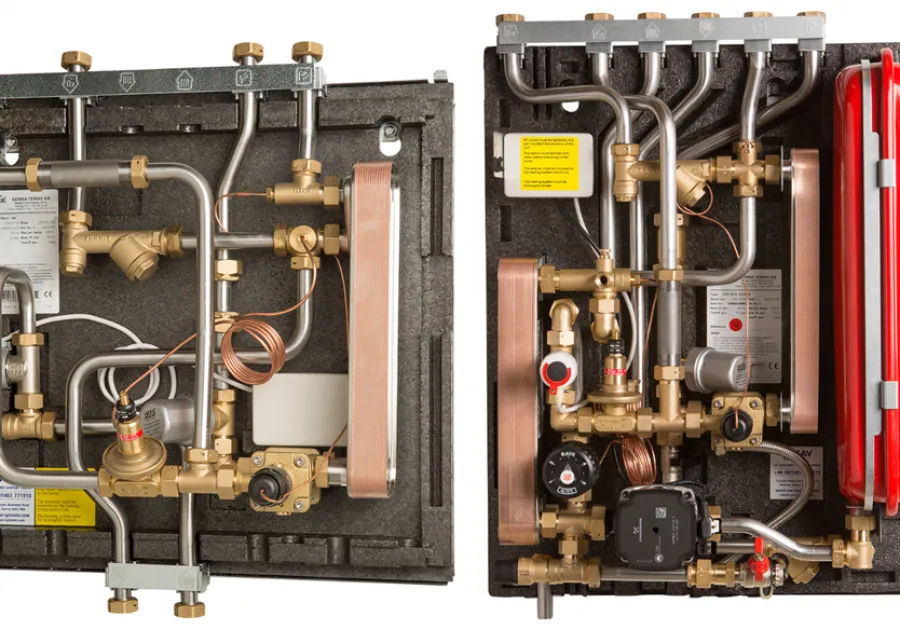
Energy management has become an important consideration for residential buildings, apartment developments, and properties connected to communal heating networks. Efficient heating and hot water systems can help reduce unnecessary energy consumption, improve comfort, and support more predictable property operating costs. One important part of this process is keeping Heat Interface Units (HIUs) in reliable working condition. When an HIU develops a fault, professional HIU repair London services can help restore performance and prevent small problems from becoming larger system issues.
Understanding the Role of an HIU
A Heat Interface Unit connects an individual property to a central or communal heating system. Instead of every apartment requiring its own boiler, an HIU transfers heat from the shared network to provide heating and domestic hot water within the property.
Because the HIU controls the transfer and distribution of heat, its condition can influence how efficiently energy is used. A unit that is operating correctly can respond appropriately to demand, while a faulty unit may struggle to provide consistent heating or hot water.
Problems such as poor temperature control, restricted flow, faulty valves, pressure issues, sensor problems, or heat exchanger performance can affect the overall operation of an HIU. Professional inspection and repair can identify the cause and help restore normal performance.
Why Energy Management Matters in Communal Heating
Energy management is not simply about reducing consumption. It involves making sure that available energy is used efficiently and that heating equipment operates according to actual demand.
In a communal heating environment, inefficient equipment can create unnecessary energy losses. If an HIU is not transferring heat effectively, the system may need to work harder to deliver the required level of comfort.
Reliable equipment can support better control over heating and hot water. This can help property managers monitor performance, identify unusual consumption patterns, and address technical problems before they become more disruptive.
How HIU Repairs Can Improve System Performance
Restoring Efficient Heat Transfer
One of the main benefits of timely repair is restoring the HIU’s ability to transfer heat effectively. Components inside an HIU can experience wear, contamination, scaling, or mechanical faults over time.
A professional technician can assess the unit and determine whether cleaning, adjustment, component replacement, or another repair is required. Restoring effective heat transfer can help the system meet heating and hot water requirements without unnecessary strain.
Supporting Accurate Temperature Control
Temperature control plays an important role in energy management. An HIU that does not regulate temperature properly may deliver water that is too hot, too cool, or inconsistent.
Faulty sensors, control valves, thermostatic components, or electronic controls can contribute to these problems. Professional HIU repair London services can investigate these components and restore appropriate operation where possible.
Accurate control allows the heating system to respond more closely to actual requirements rather than operating inefficiently.
Reducing Unnecessary System Stress
A small fault can sometimes cause an HIU to operate outside its normal conditions. Continuing to use a malfunctioning unit may place additional stress on pumps, valves, controls, or other components.
Timely repairs can address the underlying issue and help prevent repeated operation under unsuitable conditions. This can contribute to more stable system performance and may reduce the likelihood of additional repair requirements.
Identifying Problems Before They Become Major Issues
Energy management becomes more difficult when technical faults are allowed to continue unnoticed. Some HIU problems are immediately obvious, while others develop gradually.
Residents may notice fluctuating hot water temperatures, unusual noises, slow heating, inconsistent radiator performance, or repeated system interruptions. Property managers may also identify increased maintenance requirements or unusual energy consumption.
These signs should not be ignored. A professional inspection can help determine whether the issue is related to the HIU, the wider heating network, controls, or another component.
The Value of Professional Diagnostics
Effective repair begins with accurate diagnosis. Replacing a component without identifying the actual cause of a fault may only provide a temporary solution.
Experienced technicians can inspect the HIU, assess its components, check operating conditions, and determine where the problem originates. This approach can help ensure that repair work addresses the specific issue affecting performance.
For property managers, accurate diagnostics can also provide useful information for maintenance planning and future energy management decisions.
HIU Maintenance and Long-Term Energy Efficiency
Repair and maintenance are closely connected. Although repair is normally required when a fault has developed, regular maintenance can help identify potential issues earlier.
Maintenance may include checking components, inspecting connections, reviewing controls, examining filters and strainers, and assessing overall operation. The precise maintenance requirements depend on the HIU model, installation, manufacturer guidance, and heating system.
Keeping records of inspections and repairs can also help property managers identify recurring problems. If the same fault repeatedly occurs, further investigation may be necessary to determine whether an underlying system issue exists.
Supporting Better Property Management
Energy management is particularly important for landlords, facilities teams, housing providers, and property managers responsible for multiple apartments. A problem affecting several HIUs can create resident complaints, maintenance requests, and additional operational costs.
A structured approach to HIU repair London can make it easier to respond to faults efficiently. Clear maintenance records can show when units were inspected, what problems were identified, which components were repaired, and whether further monitoring is required.
This information can support better planning and help property teams make informed decisions about maintenance priorities.
Improving Resident Comfort
Energy efficiency should not come at the expense of comfort. Residents expect reliable heating and hot water throughout the year, particularly during colder periods.
A poorly functioning HIU can lead to inconsistent temperatures or interruptions to hot water. Prompt professional repair can help restore reliable operation and reduce the disruption experienced by residents.
When heating equipment operates correctly, it becomes easier to balance energy efficiency with everyday comfort.
Preventing Recurring Heating Problems
A successful repair should focus on resolving the underlying fault rather than simply restoring operation temporarily. If the same issue keeps returning, the system may require a more detailed assessment.
Recurring problems can indicate worn components, incorrect settings, blockages, control issues, or wider system conditions. Identifying these factors can help property managers take more appropriate corrective action.
Choosing Professional HIU Repair Services
When an HIU develops a fault, selecting an appropriately experienced repair provider is important. Technicians should understand communal heating systems and the operation of HIUs rather than treating every heating problem as a standard boiler fault.
Property managers can consider factors such as technical experience, diagnostic capabilities, response times, maintenance support, and familiarity with the type of HIU installed.
A professional service should also communicate clearly about the identified fault, recommended repair, required parts, and any follow-up work.
The Connection Between Repairs and Energy Monitoring
Modern energy management often involves monitoring heating performance and consumption over time. Repair information can complement this data.
For example, if energy use changes significantly after a technical fault appears, investigating the HIU may help determine whether equipment performance is contributing to the change. Similarly, repeated faults in a particular part of a building may highlight a maintenance trend that deserves further attention.
This creates a more informed approach to building management, where technical maintenance and energy performance are considered together.
Planning for More Reliable Heating Systems
Effective energy management is an ongoing process rather than a one-time task. HIUs need to remain in suitable operating condition so that the heating system can respond efficiently to demand.
Prompt repairs, appropriate maintenance, accurate diagnostics, and performance monitoring can all contribute to this goal. For property managers, taking action when early warning signs appear can help reduce disruption and support more predictable system operation.
Professional HIU repair London services therefore have a role that extends beyond simply fixing a broken heating unit. By restoring equipment performance, supporting accurate controls, addressing faults promptly, and helping maintain reliable heating infrastructure, repair services can contribute to a more organized and efficient approach to energy management.
Conclusion
Better energy management depends on the reliable operation of every part of a heating system. HIUs are particularly important in properties using communal heating because they control how heat is transferred into individual homes.
When an HIU develops a fault, timely professional attention can help restore efficient operation and reduce unnecessary system stress. Combining responsive HIU repair London services with regular maintenance and performance monitoring can support reliable heating, resident comfort, and more effective property management.
For buildings relying on HIUs, treating repairs as part of a broader energy management strategy can help create a more dependable heating environment while supporting the long-term performance of the system.