
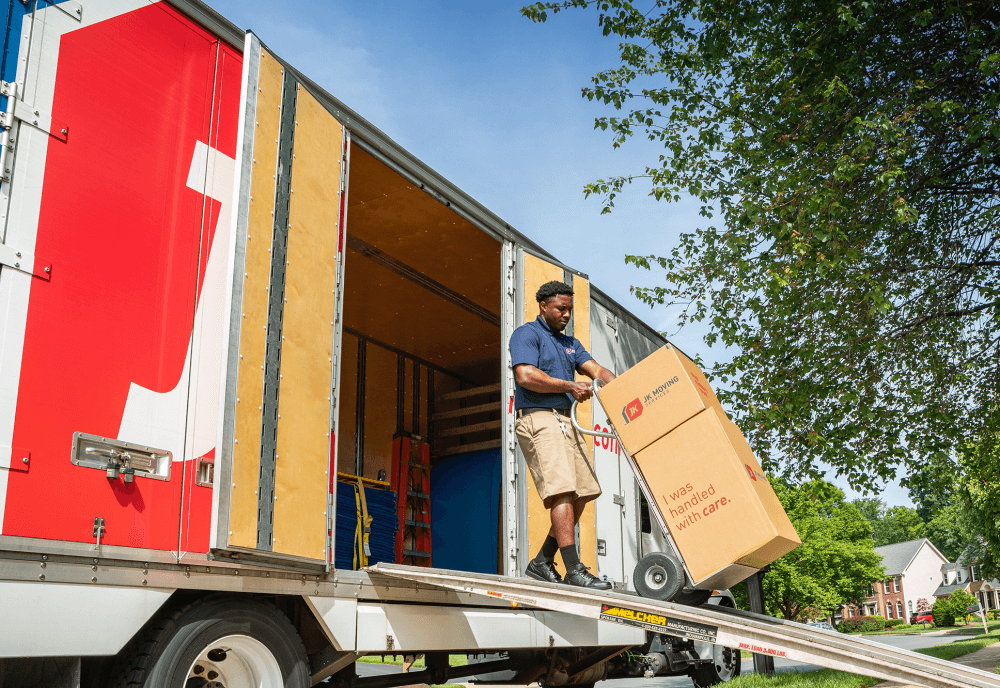
Moving to a new home can be an exciting experience, but the process of packing, organizing, transporting, and unpacking can quickly become stressful. Whether you are moving across the city or relocating to a nearby neighborhood, careful preparation can make everything easier. Working with experienced Chicago Movers can also help reduce the physical effort and save valuable time. With the right approach, you can create a moving plan that keeps your belongings organized and your moving day running smoothly.
Start Planning Your Move Early
One of the easiest ways to make a move more efficient is to start planning well in advance. Waiting until the last few days can lead to rushed decisions, forgotten tasks, and unnecessary stress. Create a basic moving timeline that includes packing, scheduling transportation, preparing documents, cleaning, and changing your address.
Begin with tasks that require the most time. Decide what you want to take with you, what can be donated, and what should be discarded. Early planning gives you enough time to handle unexpected problems without disrupting your entire schedule.
Create a Room-by-Room Packing Strategy
Packing everything at once can make the process overwhelming. Instead, approach your home one room at a time. Start with rooms and belongings that you use less frequently. Seasonal decorations, books, extra kitchen equipment, and decorative items can often be packed weeks before moving day.
Use sturdy boxes and avoid making them excessively heavy. Place heavier items at the bottom and lighter belongings on top. Protect fragile objects with suitable packing materials and clearly mark boxes containing delicate items.
A room-by-room approach also makes unpacking easier because you can immediately identify where each box belongs.
Declutter Before Packing
Moving is an excellent opportunity to reduce clutter. Transporting belongings that you no longer use adds unnecessary work, takes up space, and may increase moving expenses.
Before putting an item into a box, ask whether you actually need it in your new home. Clothes that no longer fit, outdated electronics, duplicate kitchen items, old paperwork, and unused furniture may be suitable for donation, recycling, or disposal.
The fewer unnecessary belongings you move, the faster the packing and unpacking processes become.
Label Every Box Clearly
Clear labeling can save hours after you arrive at your new home. Write the destination room and a brief description of the contents on each box. For example, a box could be labeled “Kitchen – Cooking Utensils” or “Bedroom – Winter Clothes.”
Consider using a simple numbering system as well. You can keep a basic inventory showing what each numbered box contains. This approach can be especially helpful if you are moving a large number of belongings.
When Chicago Movers transport clearly labeled boxes, it is also easier to place items in the correct rooms upon arrival.
Prepare an Essentials Box
One common moving mistake is packing everything without setting aside the items needed immediately after arrival. Prepare one or more essentials boxes that remain easily accessible.
Include toiletries, medications, chargers, important documents, basic kitchen supplies, a change of clothes, towels, cleaning products, and snacks. If you have children or pets, include their immediate necessities as well.
Keep these essentials separate from regular moving boxes so you do not have to search through dozens of containers at the end of a long moving day.
Measure Furniture and Doorways
Large furniture can create unexpected problems when moving into a new home. Before moving day, measure large furniture pieces and compare their dimensions with doorways, stairways, hallways, and elevators.
Check whether furniture can fit through entrances without causing damage to walls or floors. If something needs to be disassembled, complete that task ahead of time whenever possible.
Taking measurements early allows you to develop a practical plan rather than discovering an obstacle when the moving truck arrives.
Keep Important Documents With You
Important documents should not be packed into a moving truck if you can avoid it. Keep identification documents, financial records, property paperwork, contracts, medical information, and other valuable papers in a secure personal bag.
The same principle applies to valuable jewelry, small electronics, sentimental objects, and irreplaceable items. Keeping these possessions with you gives you greater control and peace of mind throughout the move.
Make Moving Day More Organized
Moving day can become chaotic when everyone is unsure about their responsibilities. Create a simple schedule and make sure everyone involved understands the plan.
Have the home ready before the movers arrive. Clear pathways, remove obstacles, protect vulnerable surfaces, and make sure boxes are properly sealed. If possible, keep children and pets away from busy loading areas to reduce distractions and safety concerns.
Having everything prepared before loading begins can help the process move faster.
Use Professional Help Strategically
Hiring professional Chicago Movers can make a major difference when you have heavy furniture, numerous boxes, or limited time. Professional movers can handle physically demanding tasks such as lifting, loading, transporting, and unloading.
To get the most value from professional assistance, complete as much preparation as possible beforehand. Pack and label your belongings, disassemble appropriate furniture, and make sure pathways are accessible.
This allows the moving team to focus on transportation and heavy lifting rather than spending unnecessary time on basic preparation.
Protect Your New Home
Efficiency should not come at the expense of protecting your property. Before moving furniture into the new home, consider protecting floors, walls, door frames, and other vulnerable areas.
Decide where large furniture will go before it is carried inside. If movers know the destination of each major item, they can place it correctly instead of moving it multiple times.
Taking a few minutes to plan furniture placement can save considerable effort later.
Keep a Moving-Day Checklist
A moving-day checklist can help you stay focused when there are many tasks happening simultaneously. Include important activities such as checking every room, confirming utilities, securing windows and doors, collecting keys, and verifying that nothing has been left behind.
Before leaving the old property, inspect closets, cabinets, garages, storage spaces, and outdoor areas. Small belongings are easy to overlook when attention is focused on large furniture and boxes.
Make Unpacking More Efficient
Unpacking does not have to happen all at once. Start with the essentials and the rooms you need immediately. Setting up the bedroom, bathroom, and basic kitchen areas first can make the first night much more comfortable.
Once the essential spaces are functional, work through the remaining boxes room by room. Avoid opening every box simultaneously because that can create unnecessary clutter.
A Smooth Move Starts With Preparation
An efficient move depends more on organization than speed. Planning early, reducing clutter, labeling boxes, preparing essentials, measuring furniture, and protecting important belongings can significantly simplify the entire experience. Professional Chicago Movers can further reduce the physical workload and help make transportation more manageable.
By breaking the process into smaller steps and preparing before moving day, you can avoid many common problems. A well-organized approach gives you more control, reduces stress, and helps you settle into your new home with greater confidence.