
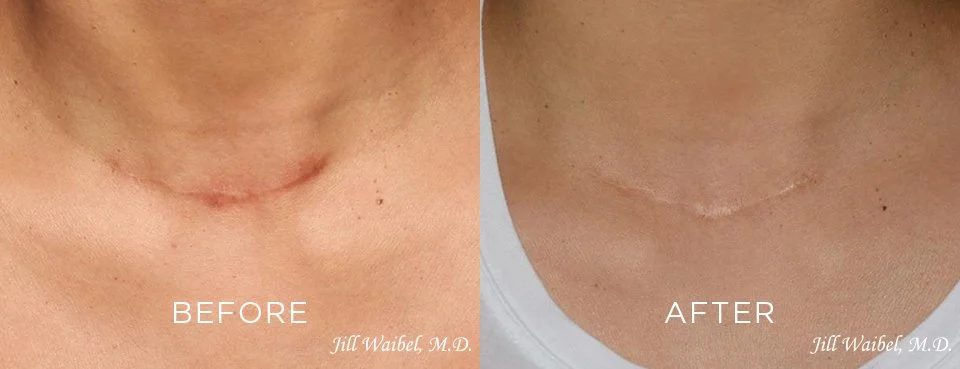
Scars are a natural part of the body’s healing process, but they can sometimes remain visible long after an injury, surgery, acne breakout, or other skin condition has healed. While scars are generally harmless, many people look for ways to improve their texture, color, and overall appearance. Advances in dermatology have introduced several modern approaches that can help make scars less noticeable. Among these options, Laser Scar Removal has become a popular choice for people seeking smoother and more even-looking skin.
Laser treatments use controlled beams of light to target specific layers or structures within the skin. Depending on the type of scar and the laser technology selected, treatment may encourage collagen production, remove damaged outer skin layers, reduce redness, or improve uneven texture. Although laser treatment cannot always erase a scar completely, it may significantly improve its appearance when performed by a qualified medical professional.
Understanding Different Types of Scars
Before considering any treatment, it is important to understand that scars can look very different from one person to another. The type of scar often determines which treatment approach may be most suitable.
Acne scars are among the most common concerns. They can appear as shallow depressions, deep pits, or uneven areas of skin. Some acne scars are raised, while others are primarily associated with changes in pigmentation.
Surgical scars can develop after medical procedures and may vary in size, color, and texture. Some gradually become less noticeable over time, while others remain prominent.
Hypertrophic scars are raised scars that remain within the boundaries of the original wound. Keloid scars, on the other hand, may grow beyond the original injury area. These types of scars may require specialized evaluation because laser treatment may be combined with other medical approaches.
Stretch marks are also sometimes treated with laser-based technologies. Although they are not technically scars in every case, they involve changes in the deeper layers of the skin and may respond to treatments designed to stimulate collagen and improve skin texture.
How Laser Scar Removal Works
Laser Scar Removal generally works by delivering controlled energy to targeted areas of the skin. The treatment can be designed to address the surface of the skin, deeper tissue, or both, depending on the technology being used.
Ablative lasers remove controlled portions of the outer skin layer. This process encourages the body to produce new skin and collagen as the treated area heals. Ablative treatments can be effective for certain types of deeper scars, although they may involve more downtime.
Non-ablative lasers work beneath the skin’s surface without removing the outermost layer. They heat targeted tissue and stimulate collagen remodeling. These treatments often require less recovery time but may involve multiple sessions to achieve noticeable results.
Fractional laser treatments create microscopic treatment zones while leaving surrounding skin intact. This approach can help promote healing and collagen production while potentially reducing recovery time compared with treating the entire surface area.
The goal is not necessarily to remove every trace of a scar. Instead, treatment aims to make the scar blend more naturally with the surrounding skin by improving texture, depth, color, and overall visibility.
Modern Laser Technologies for Scar Improvement
Several laser technologies may be considered when treating scars. Fractional CO2 lasers are commonly used for certain textured or depressed scars because they can deliver energy deep into the skin and encourage collagen remodeling.
Erbium lasers may provide another option for resurfacing and improving uneven skin texture. They can be particularly useful when a dermatologist determines that controlled surface treatment is appropriate.
Pulsed dye lasers are often considered for scars that appear red or discolored. By targeting blood vessels, this type of technology may help reduce redness and improve the visual appearance of certain scars.
Non-ablative fractional lasers offer a less aggressive approach. Because they do not remove the entire outer skin layer, they may be suitable for individuals who prefer a treatment with potentially shorter recovery periods.
The best technology depends on several factors, including scar type, skin tone, scar age, location, depth, and individual healing characteristics. A dermatologist or qualified laser specialist can evaluate these factors before recommending a treatment plan.
What to Expect During Treatment
Before Laser Scar Removal begins, a professional typically examines the scar and discusses medical history, previous treatments, medications, and skin concerns. In some cases, photographs may be taken to help monitor progress over time.
During the procedure, the skin may be cleaned and prepared. Depending on the treatment’s intensity and the area being treated, a topical numbing cream or another form of anesthesia may be used to improve comfort.
Patients may experience sensations such as warmth, tingling, or a snapping feeling during treatment. The duration varies depending on the size and number of scars being addressed.
Afterward, the treated skin may appear red or swollen. Some treatments can cause peeling, sensitivity, or temporary changes in pigmentation. Following aftercare instructions is important for supporting the healing process and reducing the risk of complications.
How Many Treatments Are Needed?
There is no universal number of sessions required for scar improvement. Some people may notice changes after one treatment, while others need several sessions spaced weeks or months apart.
The number of treatments depends on the scar’s depth, texture, and age, as well as the laser technology being used. Deeper acne scars may require a series of treatments, while superficial discoloration may respond more quickly.
Results also tend to develop gradually. Collagen remodeling continues after treatment, meaning the skin may continue changing for weeks or months. Patience is therefore an important part of the process.
Benefits of Laser Scar Removal
One of the main advantages of Laser Scar Removal is its ability to address multiple aspects of scar appearance. Depending on the treatment, it may help improve uneven texture, soften scar edges, reduce redness, and encourage healthier-looking skin.
Laser technology can also be precisely controlled, allowing professionals to target specific areas while minimizing treatment to surrounding skin. Modern fractional systems may provide a balance between effective treatment and manageable recovery for appropriate candidates.
Another benefit is that laser therapy can sometimes be incorporated into a broader scar-management plan. Depending on the patient’s needs, a professional may recommend combining laser treatment with other procedures or topical treatments.
Potential Risks and Considerations
Although laser procedures are widely used, they are not suitable for everyone and are not completely risk-free. Temporary redness, swelling, sensitivity, and peeling can occur. Some individuals may experience temporary or, in rare cases, longer-lasting pigmentation changes.
People with darker skin tones may have a higher risk of certain pigment-related side effects with particular laser technologies. This makes professional assessment especially important. Choosing an experienced provider who understands different skin types can help reduce unnecessary risks.
It is also important to have realistic expectations. Laser treatment may significantly reduce the appearance of some scars, but complete removal is not always possible. The objective is usually improvement rather than perfection.
Choosing the Right Professional
Selecting a qualified dermatologist or experienced laser specialist is an important step. A professional should evaluate the scar carefully and explain which technology is being recommended and why.
Patients should ask about expected results, the number of sessions, recovery time, possible side effects, and aftercare requirements. It can also be helpful to review before-and-after photographs of patients with similar scar types and skin characteristics.
A personalized treatment plan is generally more appropriate than a one-size-fits-all approach. Every scar responds differently, and individual healing can influence the final outcome.
Maintaining Results After Treatment
Proper skin care after treatment can support the healing process. Patients may be advised to keep the treated area moisturized, avoid picking or scratching the skin, and protect it from direct sun exposure.
Daily sun protection is especially important because ultraviolet exposure can worsen discoloration and make treated areas more vulnerable to pigmentation changes. Following professional recommendations for sunscreen and skincare products can help protect the skin during recovery.
Healthy lifestyle habits, including adequate hydration and a balanced diet, may also support overall skin health. However, these habits should complement—not replace—professional scar treatment when medical intervention is appropriate.
Conclusion
Laser Scar Removal represents one of the modern approaches available for people who want to reduce the visible appearance of scars. By using advanced laser energy to resurface skin, target discoloration, and stimulate collagen remodeling, these treatments may improve the texture and appearance of many types of scars. The right approach depends on the individual’s skin, scar characteristics, and treatment goals.
Anyone considering laser treatment should consult a qualified dermatologist or experienced medical professional for a personalized evaluation. With realistic expectations, appropriate technology, professional guidance, and consistent aftercare, modern laser treatments can be an effective part of a comprehensive strategy for achieving smoother and more even-looking skin.