
Introduction
In modern power electronics, inverter systems play a critical role in converting DC power into usable AC power for a wide range of applications, including renewable energy systems, industrial automation, and backup power solutions. One of the most crucial components influencing inverter performance is the transformer core, particularly low-loss high-frequency transformer cores. These specialized cores are designed to operate efficiently at elevated switching frequencies, significantly improving the overall efficiency, reliability, and compactness of inverter systems.
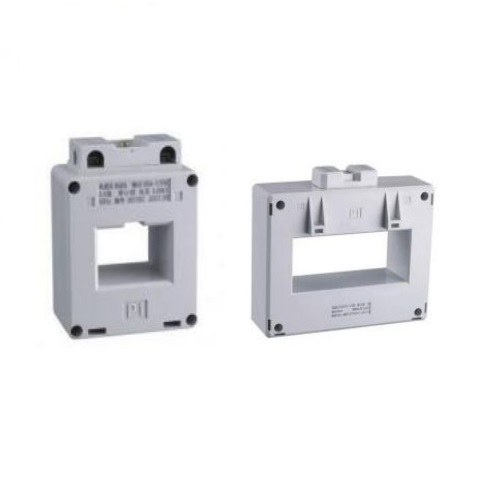
As the demand for energy-efficient and high-performance systems continues to grow, understanding the role of these transformer cores becomes essential. This article explores how low-loss high-frequency transformer cores enhance inverter efficiency and how components like the bh-0.66 series current transformer for ups systems complement modern designs.
Understanding High-Frequency Transformer Cores
High-frequency transformer cores are magnetic components designed to function effectively at frequencies typically ranging from tens of kilohertz to several megahertz. Unlike traditional transformer cores that operate at 50/60 Hz, these cores must handle rapid switching cycles with minimal energy loss.
The key materials used in these cores include ferrites, amorphous metals, and nanocrystalline alloys. These materials offer low core losses, high magnetic permeability, and excellent thermal stability, making them ideal for high-frequency applications.
Low-loss characteristics are especially important because energy losses in transformer cores manifest as heat, which reduces efficiency and can lead to system failure over time. By minimizing hysteresis and eddy current losses, high-frequency cores ensure optimal energy transfer.
Importance of Low-Loss Design in Inverters
Inverter efficiency is directly affected by how well energy is converted and transmitted within the system. Transformer cores contribute significantly to this process. A low-loss core ensures that less energy is wasted during magnetic flux transitions, resulting in higher overall system efficiency.
In high-frequency inverters, switching losses are already a concern due to rapid transitions. If the transformer core also exhibits high losses, the combined inefficiencies can drastically reduce performance. Therefore, using a low-loss core is not just beneficial but necessary.
Additionally, improved efficiency leads to reduced cooling requirements. This allows manufacturers to design more compact and lightweight inverter systems, which are particularly valuable in portable and space-constrained applications.
Key Benefits of Low-Loss High-Frequency Transformer Cores
Enhanced Energy Efficiency
Low-loss cores minimize energy dissipation during operation. This directly improves the inverter’s energy conversion efficiency, making it more cost-effective and environmentally friendly.
Reduced Heat Generation
Heat is a major challenge in power electronics. Low-loss cores generate less heat, which reduces the need for extensive cooling systems and enhances component longevity.
Compact Design
High-frequency operation allows for smaller transformer sizes. When combined with low-loss materials, this enables the design of compact inverters without compromising performance.
Improved Reliability
Lower operating temperatures and reduced stress on components result in longer system lifespan and fewer maintenance requirements.
Role in Renewable Energy Systems
Renewable energy systems such as solar and wind rely heavily on efficient inverters to convert generated power into usable electricity. Low-loss high-frequency transformer cores are particularly beneficial in these systems due to their ability to handle variable loads and fluctuating input conditions.
In solar inverters, for example, efficiency directly impacts the amount of usable energy delivered to the grid or stored in batteries. A high-performance transformer core ensures minimal losses, maximizing energy utilization.
Moreover, integrating components like the bh-0.66 series current transformer for ups systems enhances monitoring and protection, ensuring stable and reliable operation in renewable setups.
Integration with UPS Systems
Uninterruptible Power Supply (UPS) systems require highly efficient and reliable components to ensure continuous power delivery during outages. Transformer cores in UPS inverters must operate efficiently under varying loads and switching conditions.
The bh-0.66 series current transformer for ups systems plays a complementary role by providing accurate current measurement and protection. When paired with low-loss high-frequency transformer cores, it ensures optimal system performance, precise monitoring, and enhanced safety.
This combination is particularly important in critical applications such as data centers, hospitals, and industrial facilities where power reliability is essential.
Material Innovations Driving Efficiency
Advancements in material science have significantly improved the performance of transformer cores. Modern low-loss cores utilize advanced materials that offer superior magnetic properties and reduced energy dissipation.
Ferrite cores remain popular due to their low eddy current losses at high frequencies. However, nanocrystalline and amorphous materials are gaining traction because of their even lower losses and higher efficiency.
These innovations enable engineers to push the boundaries of inverter design, achieving higher power densities and improved performance metrics.
Design Considerations for Optimal Performance
To fully leverage the benefits of low-loss high-frequency transformer cores, proper design and implementation are essential. Engineers must consider factors such as core geometry, winding techniques, and thermal management.
Core shape and size influence magnetic flux distribution and efficiency. Proper winding techniques minimize leakage inductance and resistance losses. Effective thermal management ensures that the core operates within safe temperature limits, maintaining its performance over time.
Incorporating the bh-0.66 series current transformer for ups systems into the design also ensures accurate current sensing and protection, further enhancing system efficiency and reliability.
Challenges and Solutions
Despite their advantages, high-frequency transformer cores present certain challenges. These include increased electromagnetic interference (EMI), material costs, and design complexity.
However, these challenges can be addressed through careful design and advanced engineering techniques. Shielding and filtering can mitigate EMI issues, while optimized designs reduce material usage and cost.
The long-term benefits of improved efficiency and reliability often outweigh the initial challenges, making low-loss high-frequency transformer cores a worthwhile investment.
Future Trends in Transformer Core Technology
The future of transformer core technology lies in continued innovation and integration with smart systems. As power electronics evolve, there is a growing demand for even higher efficiency and smaller form factors.
Emerging technologies such as wide bandgap semiconductors are enabling higher switching frequencies, which in turn require more advanced transformer cores. Research into new materials and manufacturing techniques is expected to further reduce losses and improve performance.
Additionally, the integration of smart monitoring systems, supported by components like the bh-0.66 series current transformer for ups systems, will enhance system intelligence and predictive maintenance capabilities.
Conclusion
Low-loss high-frequency transformer cores are a cornerstone of modern inverter efficiency. Their ability to minimize energy losses, reduce heat generation, and enable compact designs makes them indispensable in today’s power electronics landscape.
From renewable energy systems to UPS applications, these cores play a vital role in ensuring reliable and efficient power conversion. When combined with advanced components such as the bh-0.66 series current transformer for ups systems, they contribute to robust, high-performance systems capable of meeting the demands of modern technology.
As innovations continue to shape the future of power electronics, the importance of low-loss high-frequency transformer cores will only grow, driving efficiency, sustainability, and technological advancement across industries.